
Industry applications / Films & coatings
Start with the part.
Define the material need.
Explore PEEK film formats and anti-stick coated components for application development. The examples below connect the supplied product material with practical engineering questions; suitability must be established for the particular design and operating conditions.
Discuss an application ↗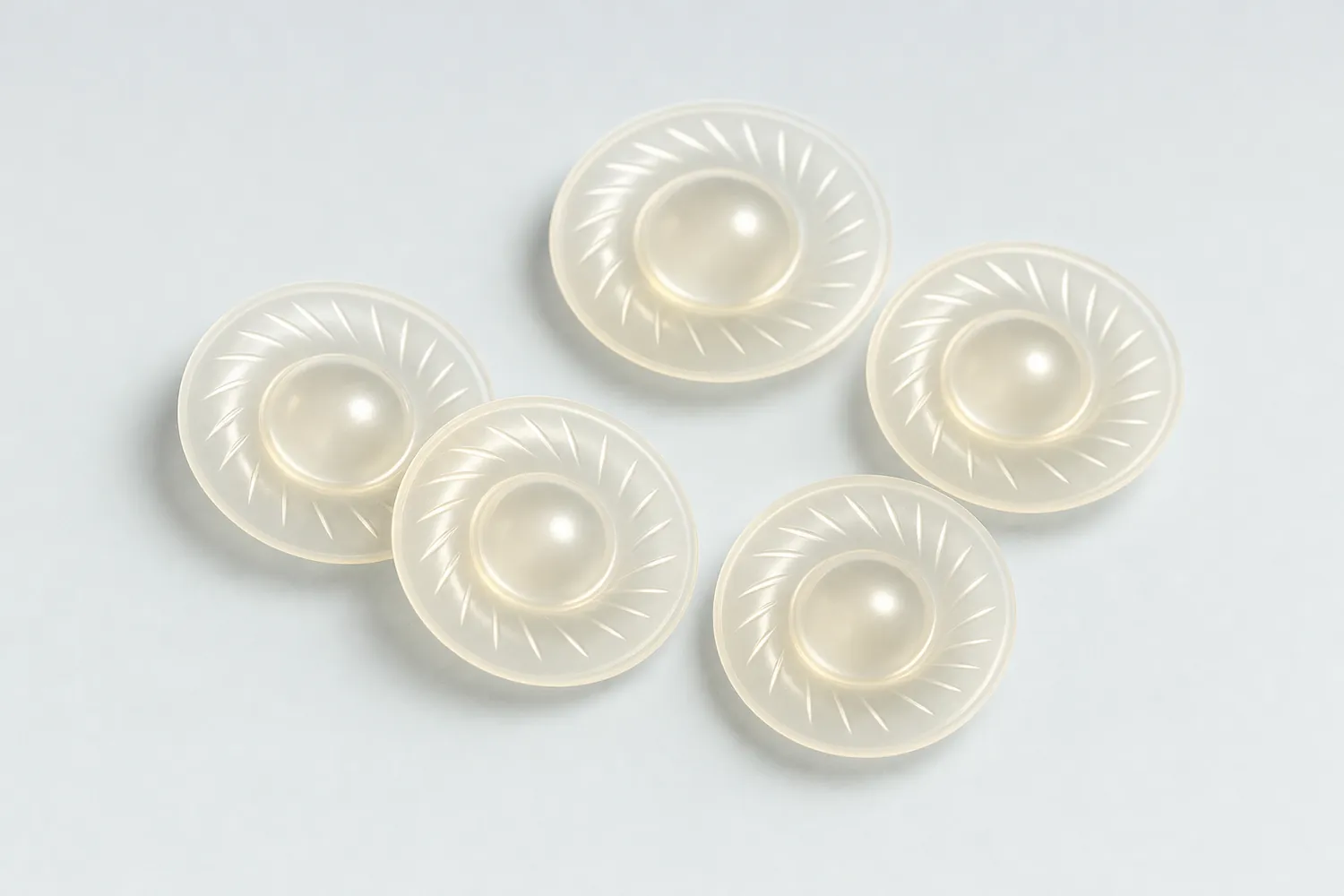
Where PEEK films enter the process
PEEK films / Acoustic components
Diaphragm development
Thin-film formats can be assessed for formed diaphragm components. Evaluate the film together with geometry, forming history, attachment and the complete acoustic assembly.
Bring: the component drawing, target thickness, forming route and performance question.
Read the validation checklist ↗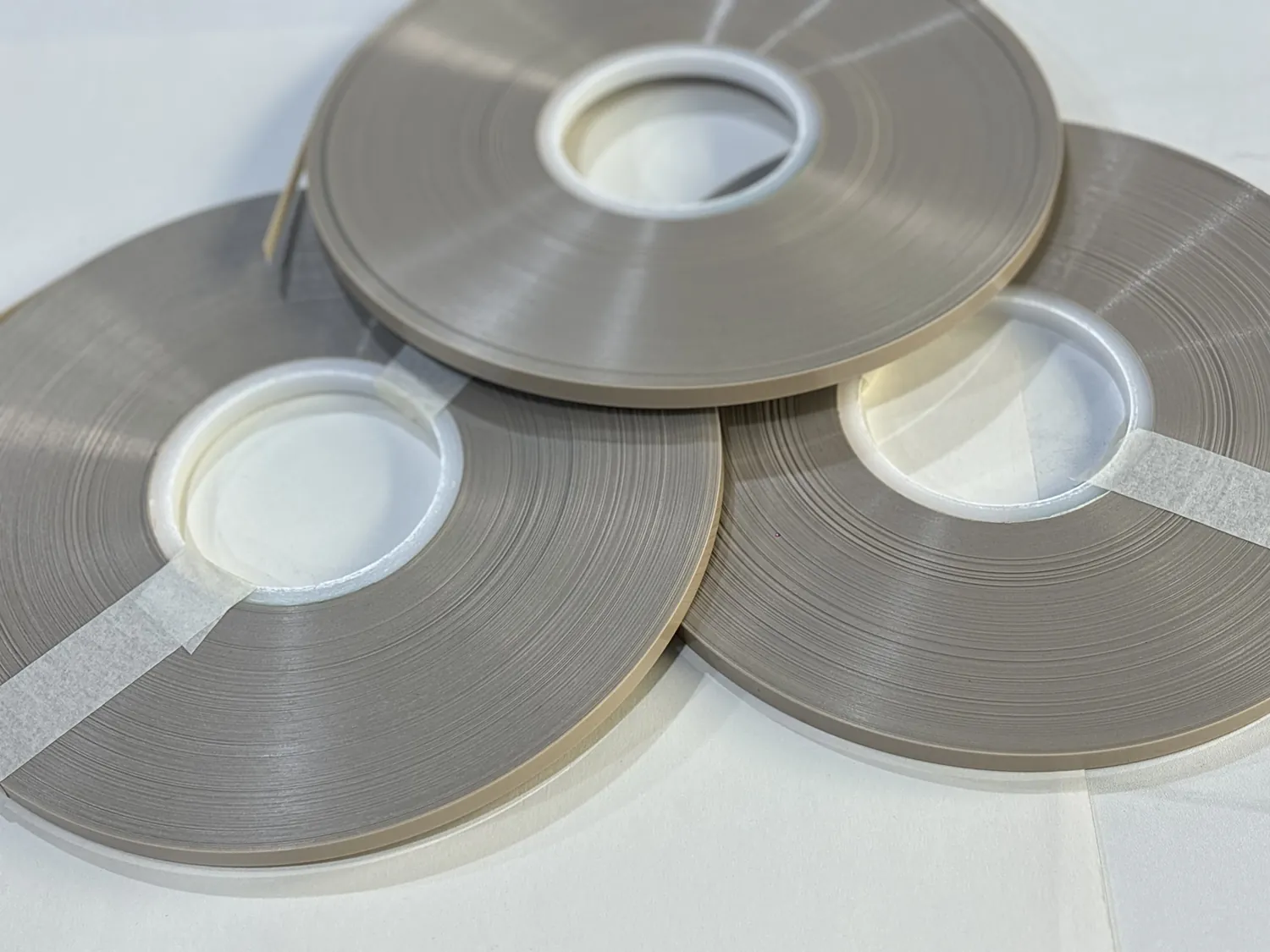
PEEK films / Precision converting
Slit strips & film components
Discuss roll and sheet presentation for downstream converting, forming or component evaluation. Agree dimensions and handling requirements for the receiving equipment.
Bring: width, thickness, core requirement, roll length and downstream process.
Prepare a slitting enquiry ↗Where surface release becomes a requirement
Anti-stick coatings / Rollers
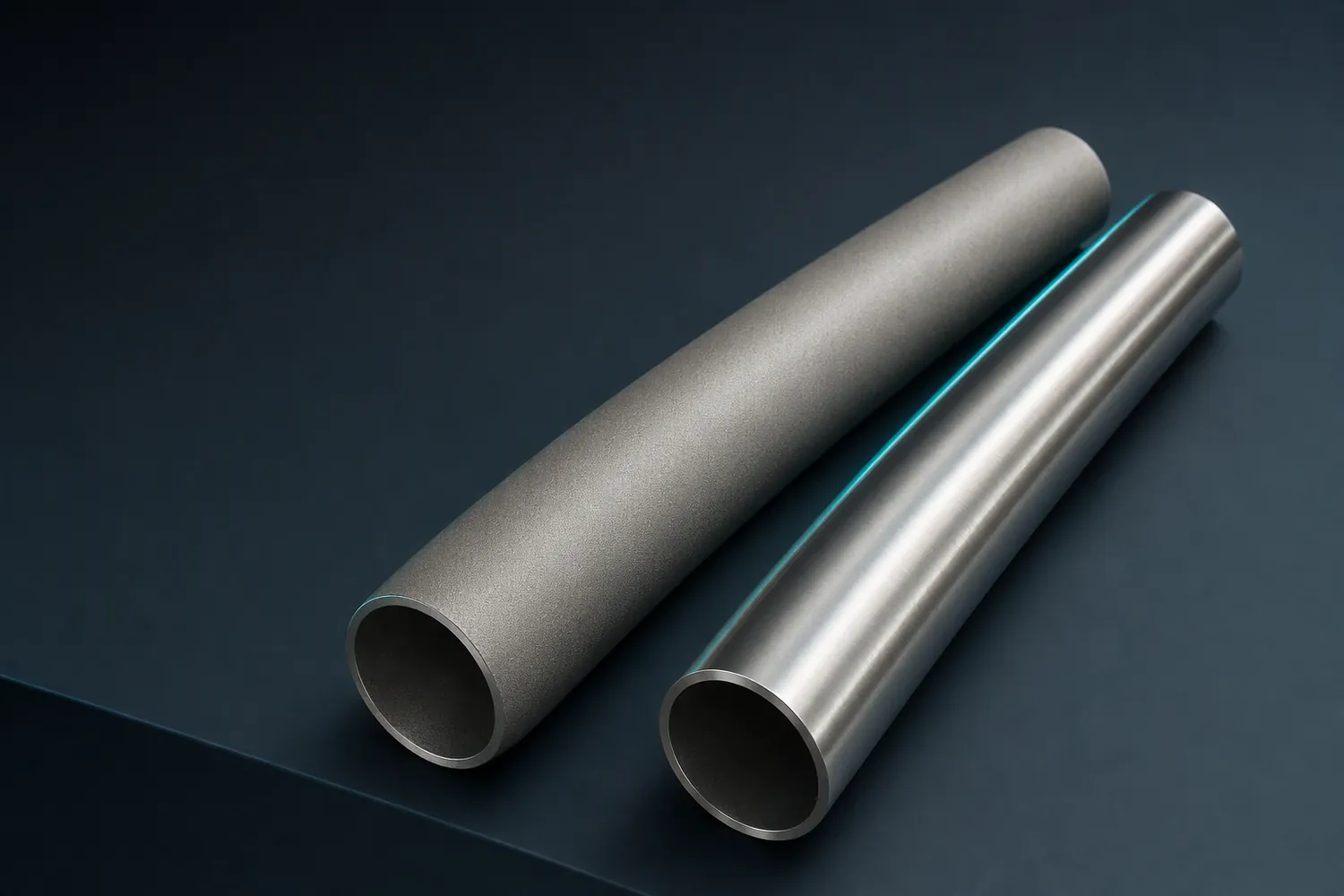
Tape, label & adhesive contact
Metal and carbon fibre roller examples help frame coating discussions around adhesive contact. Release, transport, wear and cleaning should be evaluated as separate operating requirements.
Bring: roller drawing, substrate, adhesive identity, speed, loading and temperature information.
Read the roller selection guide ↗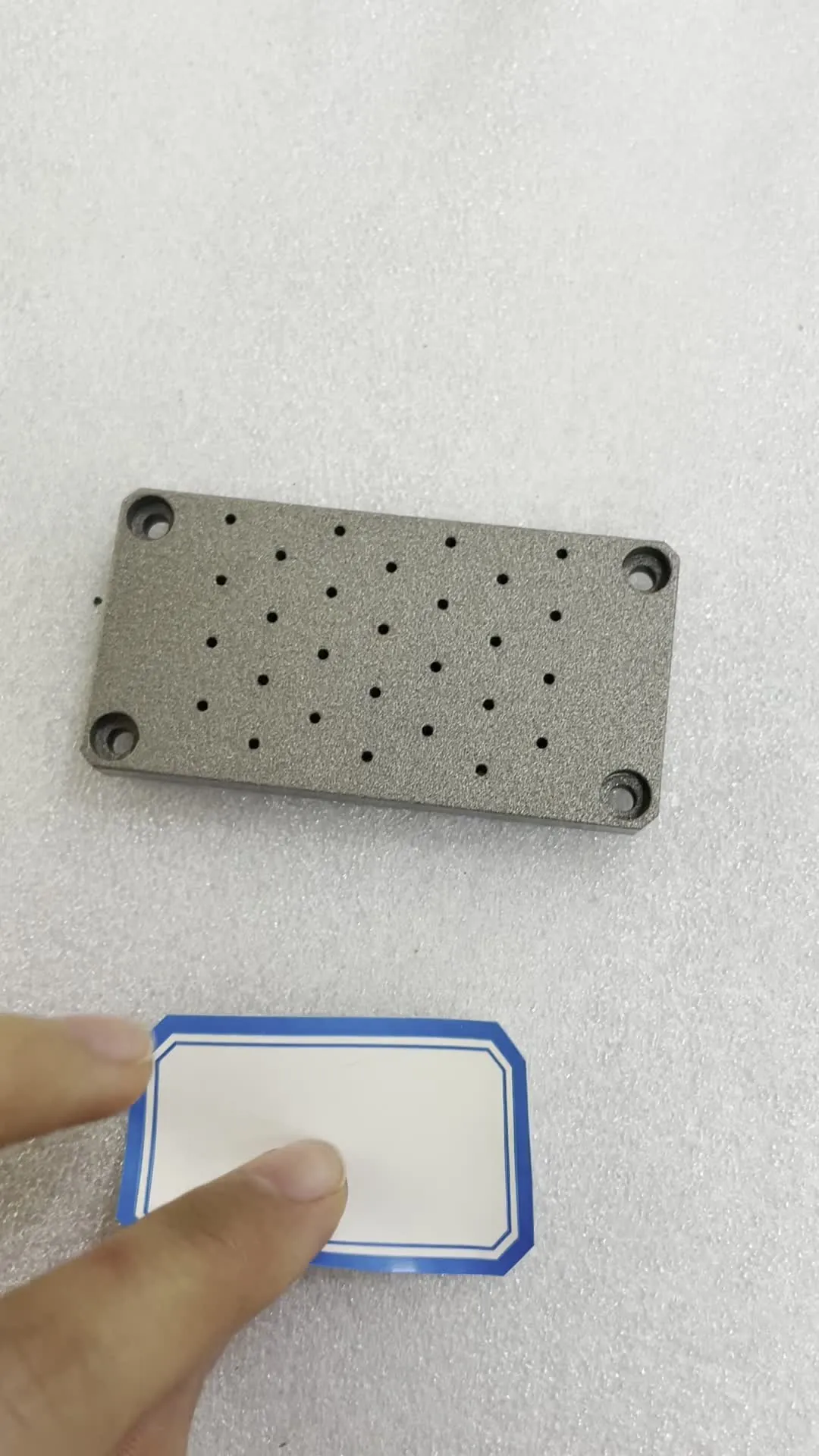
Anti-stick coatings / Plates & shaped parts
Adhesive-contact components
Assess a treatment for the actual contact face, part construction and operating environment. A demonstration with one tape is a starting point for discussion; test the production material under agreed conditions.
Bring: part dimensions, masking needs, contacting material and cleaning method.
Plan a representative release test ↗From example to evaluated application.
First identify the job the material or surface must perform. Then define a sample or specimen, an evaluation method and acceptance observations. Review results before deciding the next production step.
For film projects, ask about available production and inspection information. For coating projects, agree how the trial represents the component and its contacting material.
Application enquiry checklist
- Industry, component and intended function.
- Drawing, material and critical dimensions.
- Thermal, mechanical and chemical contact conditions.
- Current failure mode and a comparison baseline.
- Sample quantity and planned acceptance method.
Have a component to evaluate?
Send your drawing and operating requirements. We will review the proposed scope and confirm which material formats, coating assessments and supporting information can be discussed for the project.
Send your application requirements ↗