Selecting an anti-stick roller coating starts with the contact problem
An industrial anti-stick coating should be selected around the actual roller, adhesive and operating conditions. The useful question is not simply which coating is most slippery. It is which surface treatment can meet the release requirement while remaining compatible with the substrate, geometry, cleaning practice and mechanical demands of the process. The selection needs to be demonstrated with representative material rather than inferred from a short promotional video.
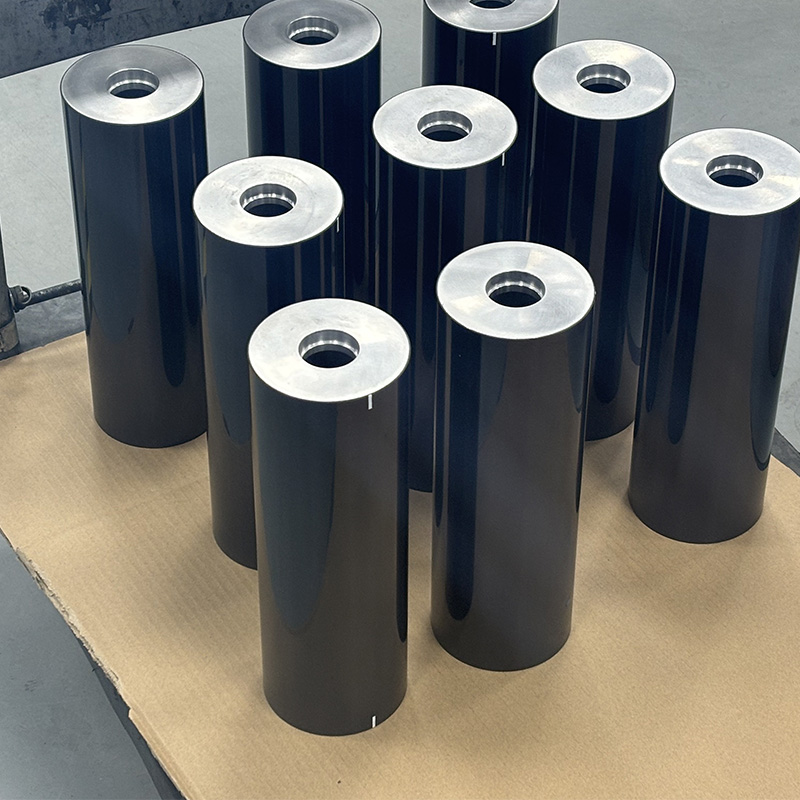
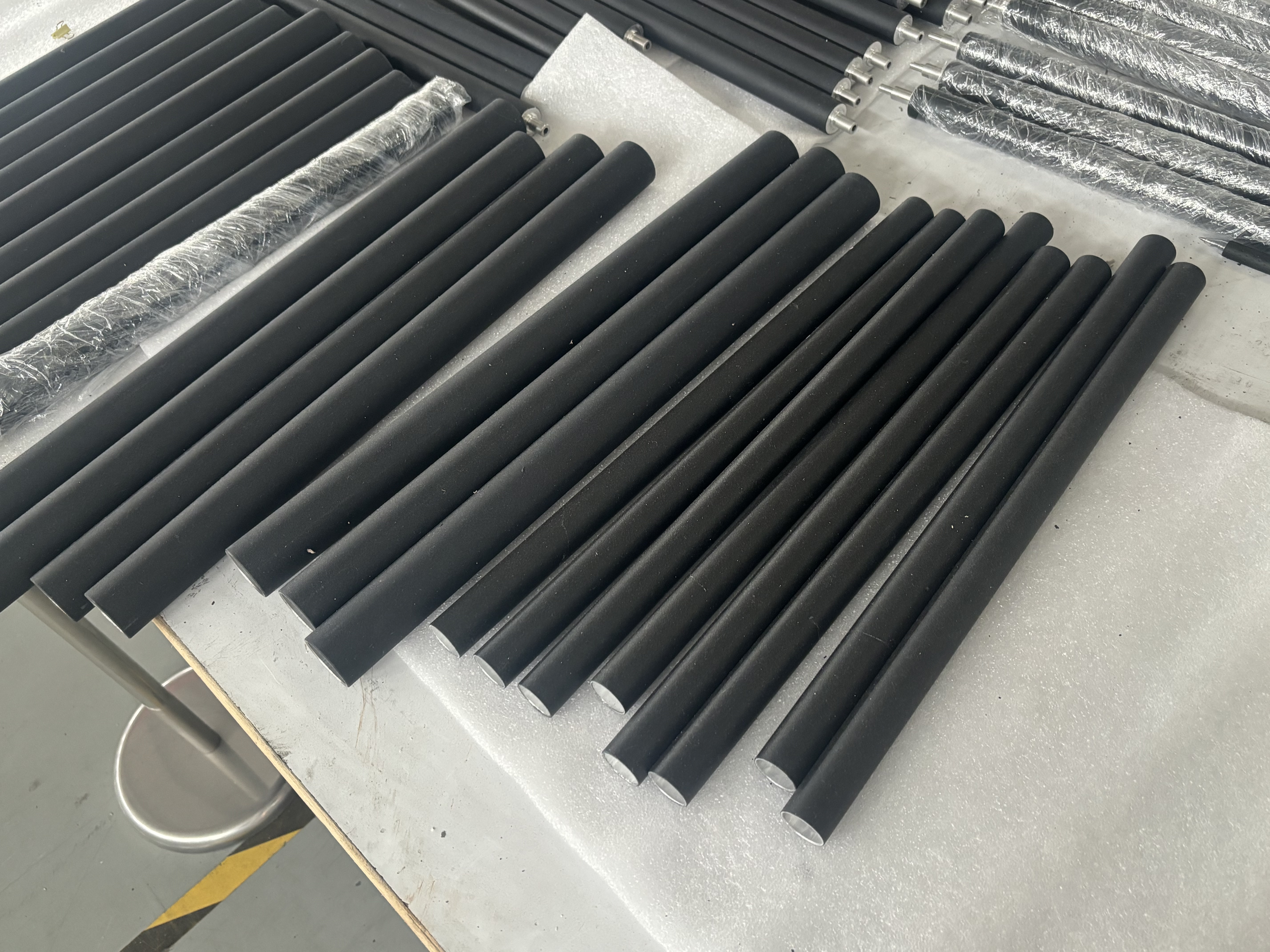
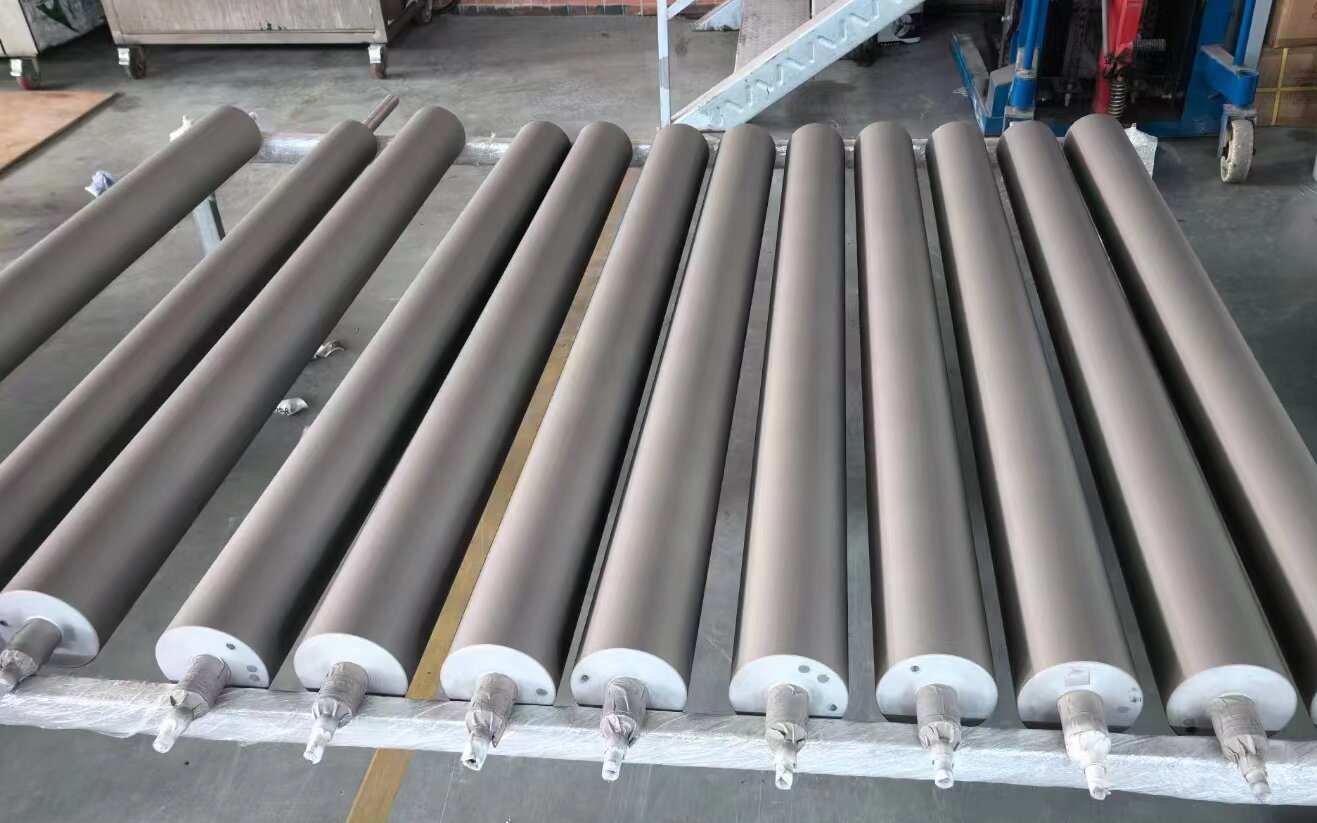
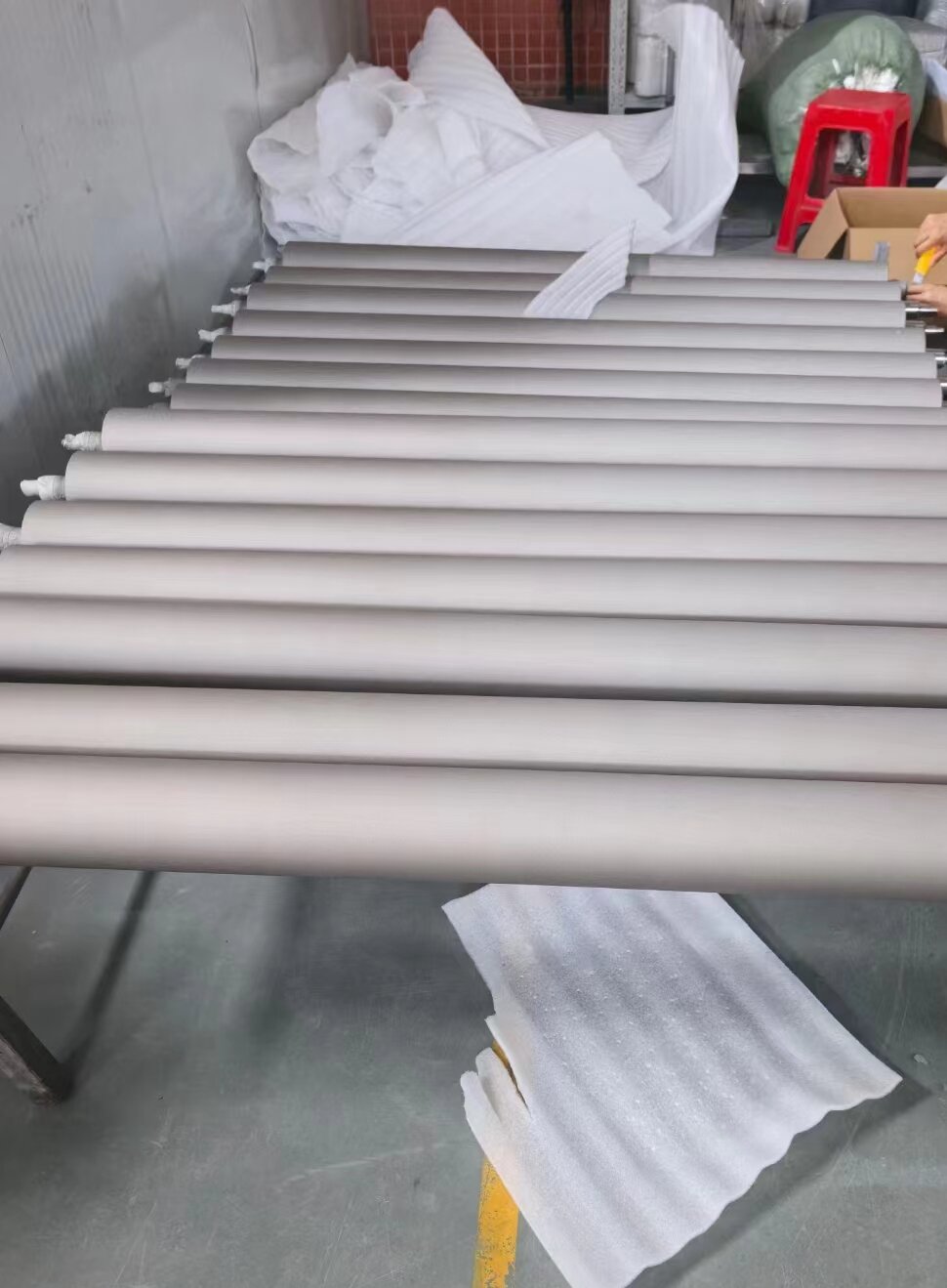
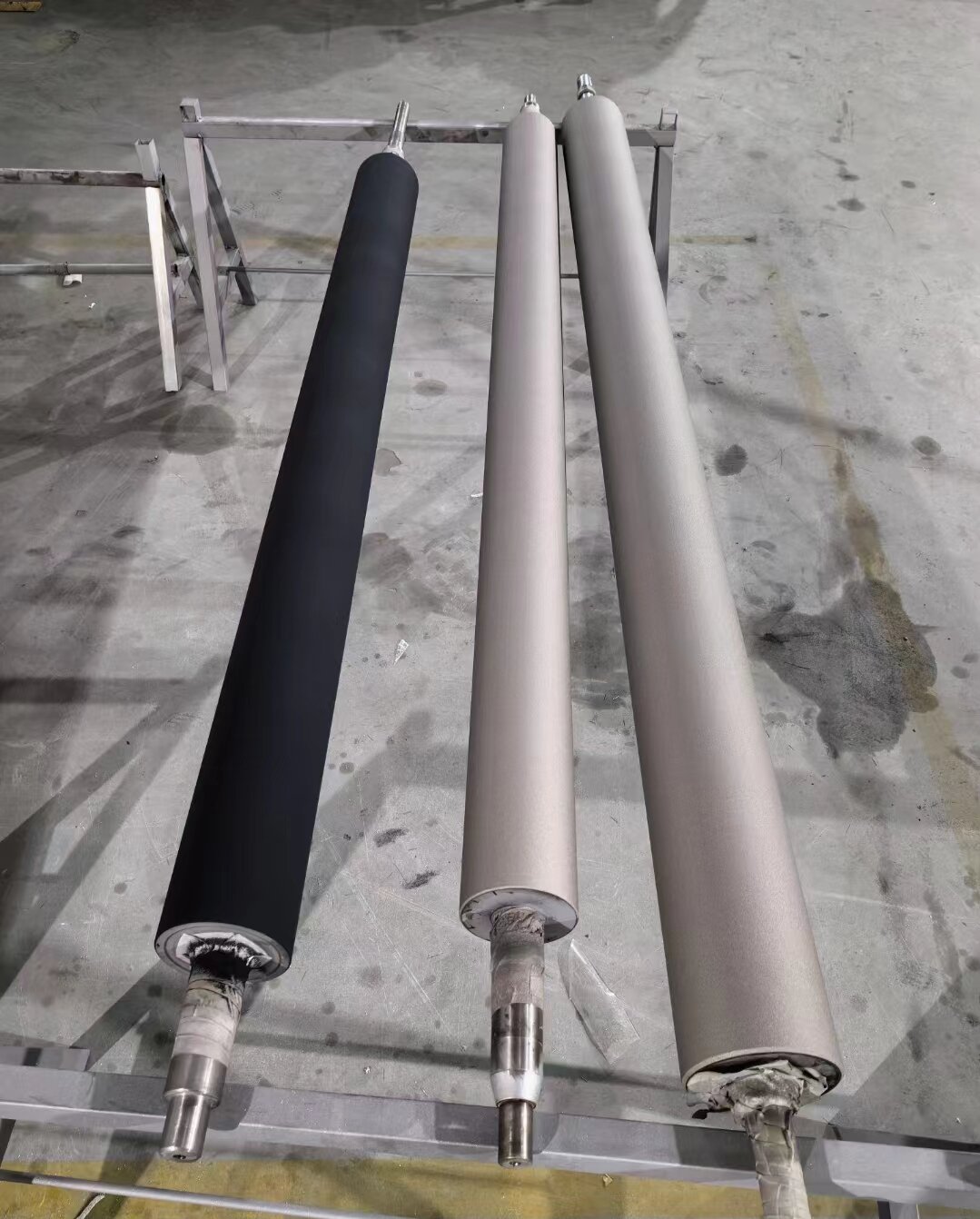
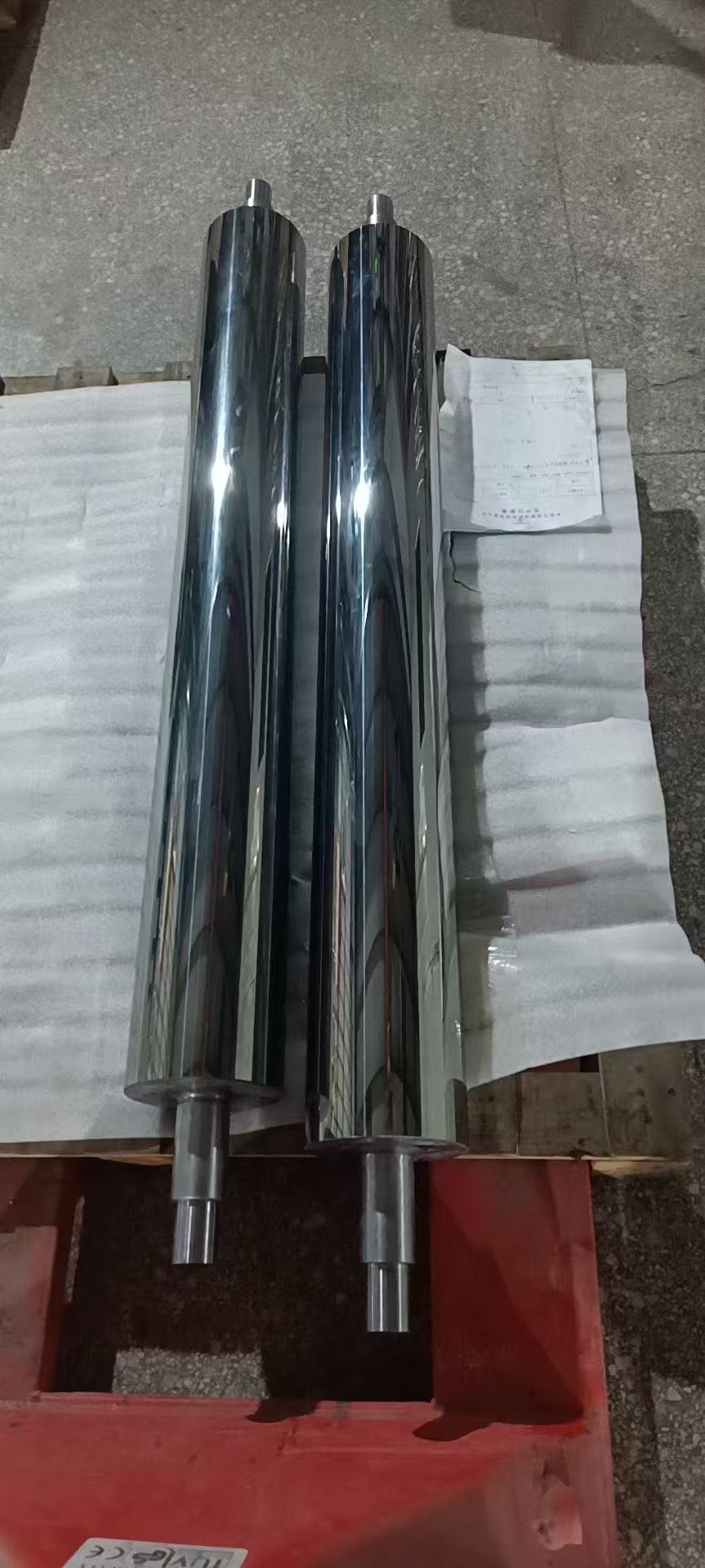
Furui's current coating business includes metal rollers, carbon fibre rollers and other industrial components for application-specific assessment. This guide helps a purchasing or engineering team prepare a coating enquiry, compare trial results and agree the next development step. It does not promise a universal release force, wear life or temperature limit for an unspecified coating.
Describe what is sticking and where
Identify the adhesive, coating compound, label or process material that contacts the roller. Give its product reference and explain whether the roller touches an adhesive face, backing, printed surface or another intermediate layer. Two lines described as label processing may expose their rollers to very different materials and contact conditions. The supplier needs that distinction to prepare an appropriate assessment.
Locate the problem on the roller and within the production sequence. Does residue appear across the full face, near an edge, at a repeated position or only after a certain run time? Record photographs and operating observations before cleaning if it is safe and practical to do so. A precise description can reveal whether the enquiry concerns release, contamination, alignment, surface damage or a combination of issues.
Separate release, friction and traction
Release describes separation of contacting materials; friction concerns resistance to relative movement. A process may require easy adhesive separation while still needing enough controlled traction to guide a web. Treat those requirements separately. A surface that appears attractive in a static peel demonstration may not provide the transport behaviour needed by the machine.
Ask the process owner which function each roller performs. Identify drive rollers, guide rollers, idlers and surfaces that contact the web only intermittently. Document how a proposed treatment could affect that function and which observations will be included in a trial. Do not approve a coating from one favourable characteristic while leaving the roller's main mechanical role unexamined.
Identify the roller substrate and construction
Provide the substrate material and any existing surface treatment. Include the component drawing, outside diameter, face length, journals and features that must not be coated. State whether the roller is solid, hollow, assembled or made from a composite construction. The coating supplier should assess the component as supplied, not an assumed generic metal cylinder.
For carbon fibre rollers, identify what is known about the complete construction, including any surface layer, bonded parts or temperature-sensitive assembly features. A process suitable for a particular metal roller should not automatically be applied to a composite roller. If the construction is uncertain, make that uncertainty visible and ask which information is needed before a coating route can be considered.
Define dimensional and functional interfaces
Coating changes the working surface, so discuss the dimensions that must be controlled after treatment. Specify which drawing dimensions refer to the original part and which refer to the finished coated condition. Identify fits, end faces, bearing areas and other interfaces that need masking or protection. Ask how final dimensions will be measured and reported for the proposed work.
Include any requirements for runout, balance or surface uniformity that belong to the receiving machine. Do not assume that a coating quotation includes machining, balancing or repair unless that scope has been agreed. A complete enquiry separates the coating operation from associated services and identifies who is responsible for confirming the roller's final suitability for installation.
Map the operating environment
Describe normal and occasional operating conditions separately. Provide contact temperature where known, line speed, contact duration, web tension or loading information, and the way the roller is cleaned. Include periods when the machine stops with material resting on the surface. Those dwell conditions may differ substantially from a continuously moving production run and should not be hidden inside an average operating description.
If a value is estimated, label it as an estimate. Ask which missing measurement is most important to resolve before a trial. A carefully described range can be more useful than a precise but unverified number. Avoid selecting a surface from a general coating temperature table without considering the actual coating formulation, substrate and complete component construction.
Compare coating families without assuming equivalence
Fluoropolymer coatings are one established family of release-oriented surface treatments. AGC's information on roll applications describes non-adhesiveness as relevant to roll surfaces. This supports considering release behaviour in the application, but it does not identify the formulation or performance of an unrelated supplier's coating.
Likewise, Daikin Finetech's coating comparison distinguishes properties among several coating types. The purchasing implication is to request an assessment of the complete coating system rather than treat PTFE, modified fluoropolymers or other treatments as interchangeable names. The cited product comparisons belong to their respective manufacturers and should not become claims about a Furui specification.
Assess wear through the actual contact mechanism
Describe what can abrade or damage the working surface: web edges, entrained particles, contact with another component, cleaning tools or a maintenance procedure. Distinguish gradual surface change from a discrete scratch or impact. These observations help define what a durability trial needs to reproduce and which damage mechanisms a material-only coupon may fail to represent.
Do not convert a generic hardness value into an expected roller lifetime. Ask which test or trial can meaningfully compare the proposed treatment with the current surface. Where a laboratory wear comparison is useful, record its specimen, method and endpoint. Where line testing is needed, define the monitoring interval and the conditions under which the trial will be stopped or reviewed.
Include cleaning in the coating decision
List the cleaning agents, tools and procedures currently used on the roller. Explain whether cleaning occurs hot or cold, during production or after removal, and whether residue is allowed to accumulate before cleaning. Ask the coating supplier which procedures can be assessed for compatibility. Do not assume that the cleaning method used on an untreated roller remains suitable after coating.
During a trial, record both release behaviour and the effort needed to return the surface to the agreed condition. Photographs can document residue patterns, but use a consistent lighting and inspection approach. If the proposed surface requires a new cleaning procedure, evaluate that procedure as part of the operating change rather than treating it as an unrelated maintenance detail.
Agree a representative trial and acceptance rule
Choose a trial specimen that can answer the selection question. A coated coupon may help screen adhesive release, while a roller trial may be necessary to assess web transport, dimensional interfaces or cleaning in the machine. State what each stage can and cannot establish. A successful screening test should lead to the next justified step rather than an automatic production-life claim.
Before testing, agree which observations determine acceptance. These may include separation behaviour, adhesive residue, visible surface damage, handling stability and the result after a defined cleaning sequence. Use the buyer's actual contacting material when possible and document any substitute. Compare against a relevant baseline so that improvement means something specific to the production problem.
Information to send with a roller enquiry
- Part drawing, substrate and existing surface condition.
- Roller function and the contacting adhesive or process material.
- Working dimensions and the finished dimensions that must be maintained.
- Temperature, speed, loading and dwell conditions, identifying estimates.
- Cleaning agents, tools and maintenance practice.
- Photographs of residue or damage and the current failure pattern.
- Trial quantity, acceptance observations and intended production scope.
Also identify responsibility for transport, disassembly, masking, associated machining and final installation checks. A clear division of scope avoids a coating order that is technically reasonable but incomplete for the machine operator.
Frequently asked questions
Can the same coating be used on metal and carbon fibre rollers?
The complete substrate and roller construction need assessment before a processing route is chosen. Do not transfer a metal-roller specification to a composite roller by assumption. Provide construction information and identify heat-sensitive or bonded features so that the supplier can review the proposed treatment.
Is a tape-release video enough to approve a coating?
A demonstration shows behaviour under the conditions shown. It does not establish performance with every adhesive, pressure, dwell time or operating temperature. Use it as a discussion aid, then agree a representative test with the actual contacting material and a documented acceptance rule.
What if the roller releases well but the web slips?
Review release and transport as separate functional requirements. Document the roller's role and the observed change under consistent operating conditions. The coating assessment must include the handling behaviour needed by the machine, not only the ease of separating an adhesive from a static surface.
Prepare an application-specific coating discussion
Explore Furui anti-stick coatings and send the component information through the project enquiry page. Use the adhesive-release test guide to prepare a meaningful screening exercise. The coating, process scope and acceptance conditions should be confirmed for the actual roller and application before production work is agreed.