ANTI-STICK COATINGS · MAINTENANCE
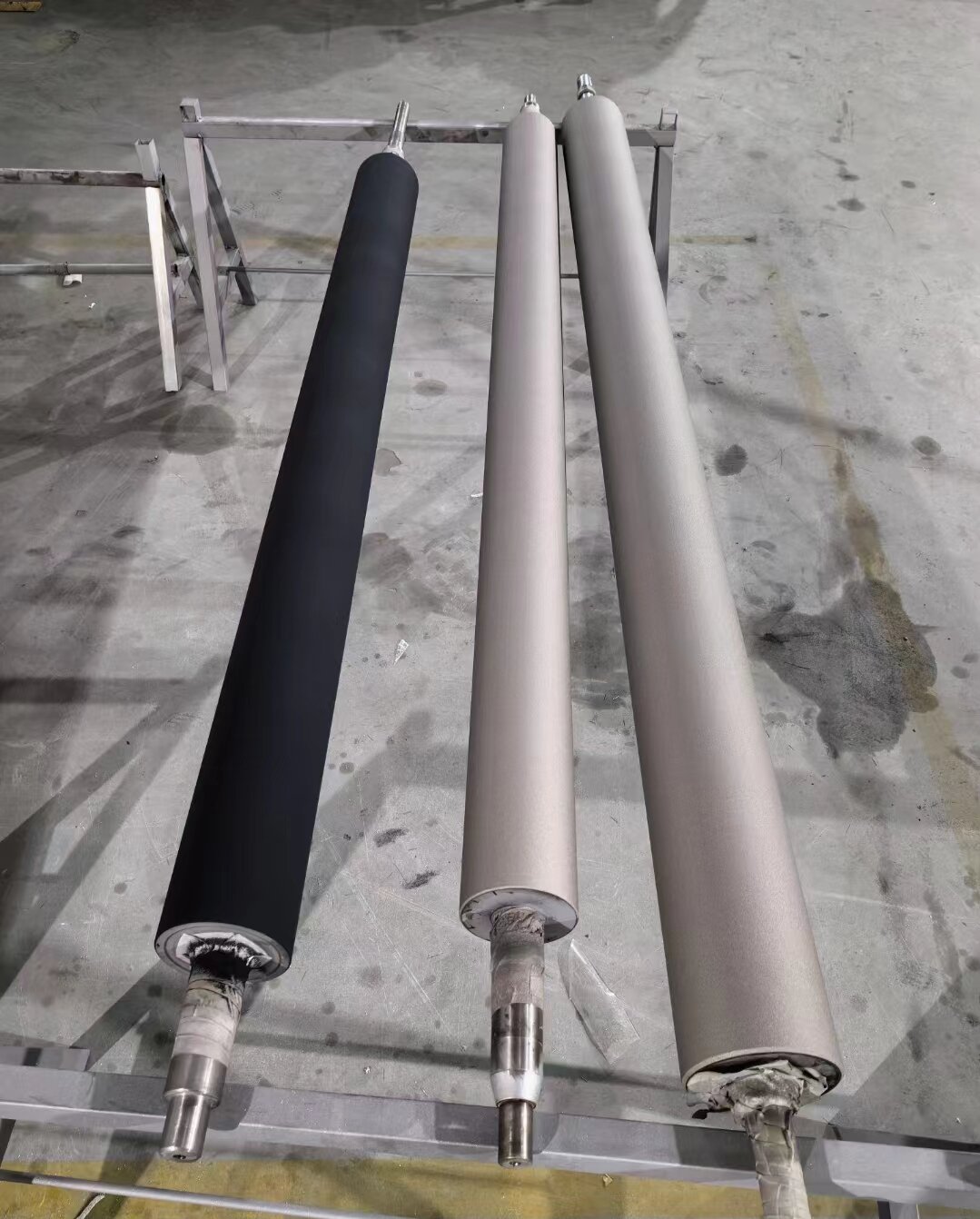
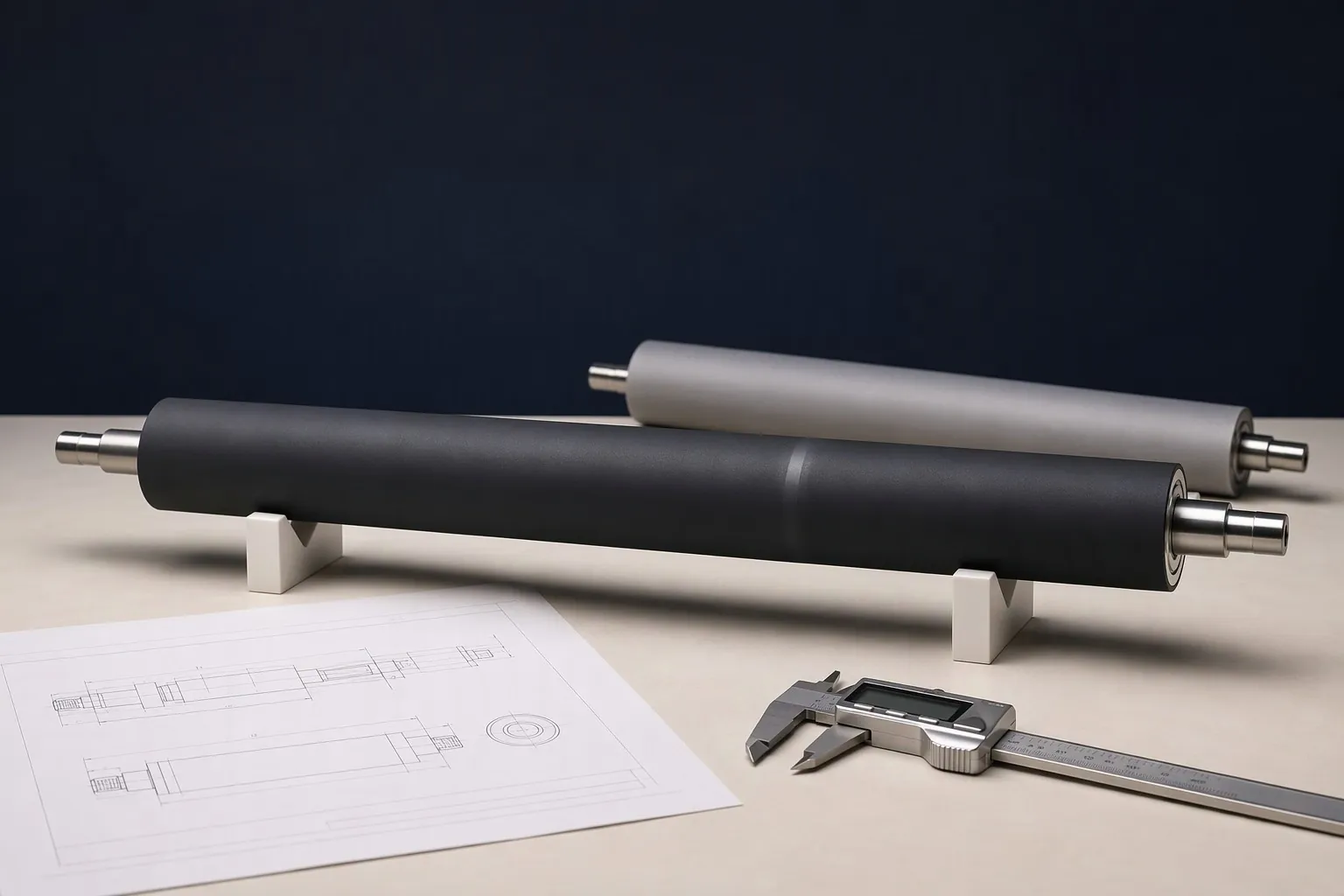
A roller recoating enquiry should begin with the condition of the complete roller. Adhesive build-up, coating wear, dimensional change and damage to the base component may require different work. A short inspection record helps establish what can be assessed from photographs and what needs a workshop examination.
Describe what changed in the process
Write a short account of the problem: where adhesive accumulates, whether release behavior changed, which region is affected and when the issue appears. Include any recent change in adhesive, temperature, web material, line conditions or cleaning. A request to make the roller non-stick again gives less useful information than a photograph linked to a specific operating symptom.
Separate the observations. Record visible build-up, scratches, worn bands, cracks or coating separation without assuming they all have the same cause. Valmet's guide to monitoring roll condition treats unusual cover wear and damage as reasons for specialist inspection. Its paper-machine examples provide maintenance context rather than a coating recipe for Furui projects.
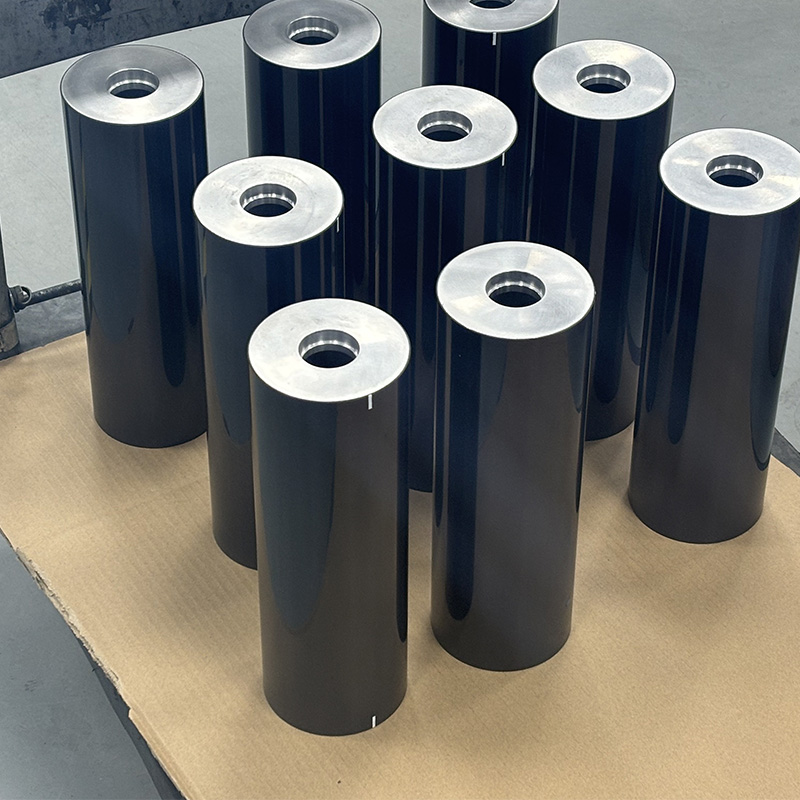
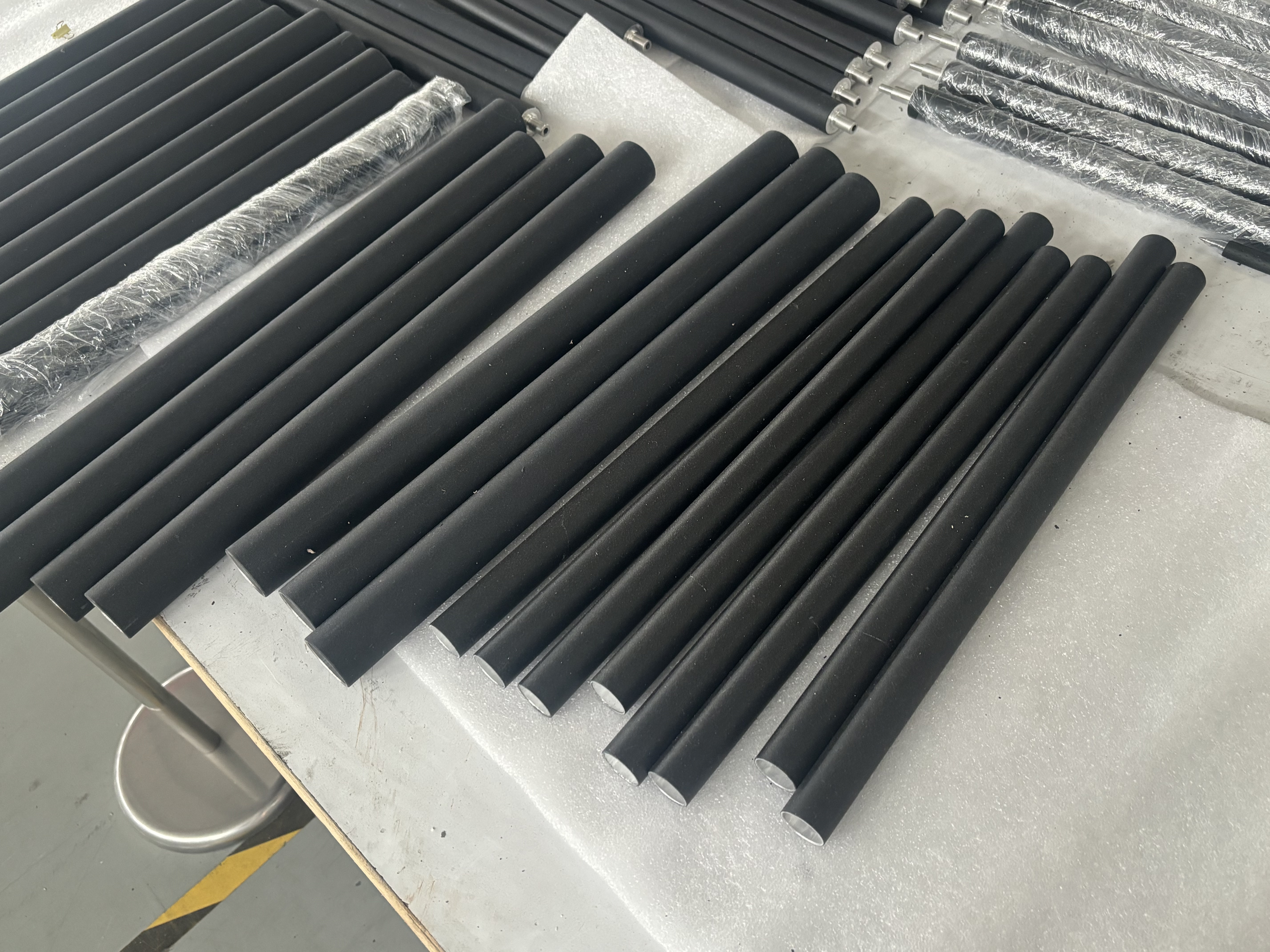
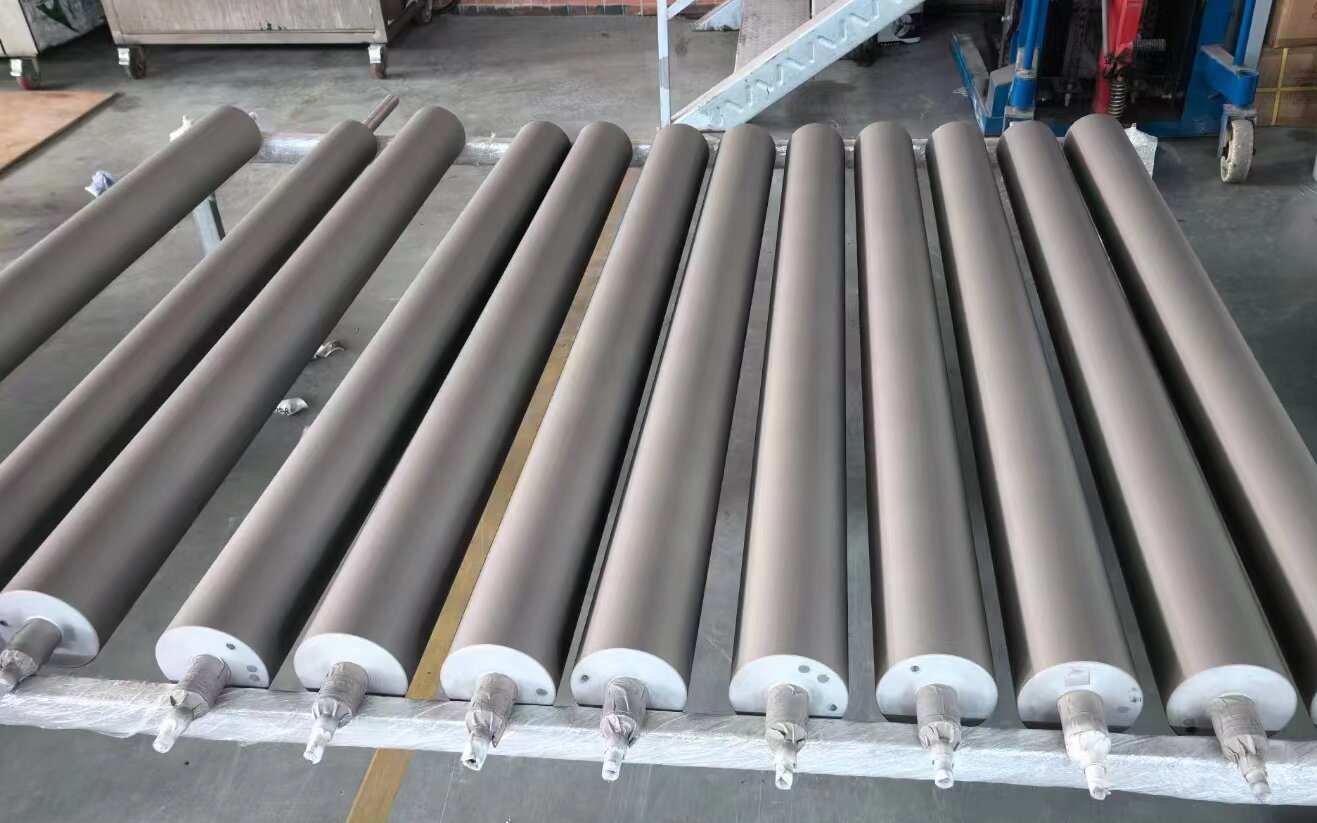
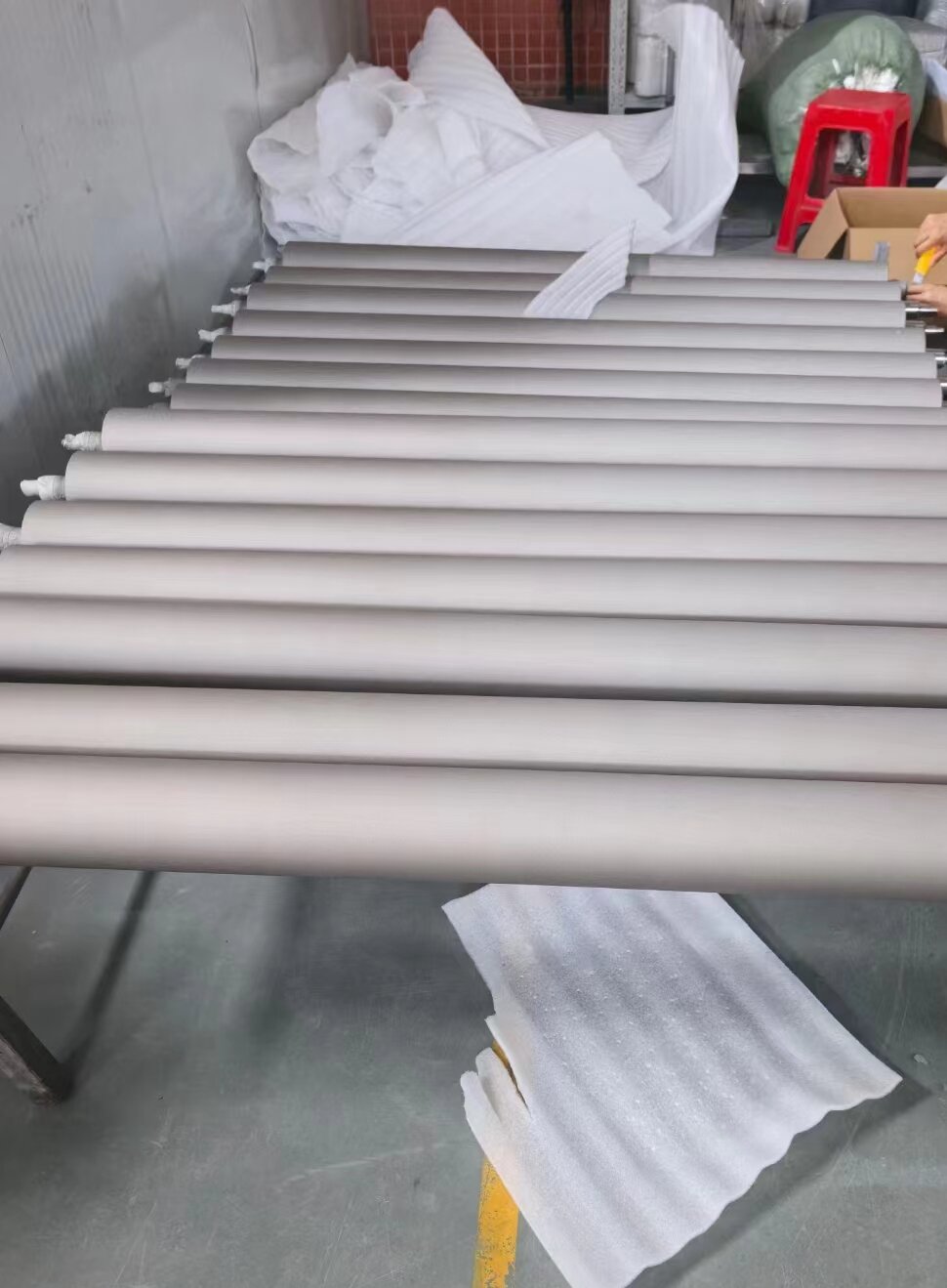
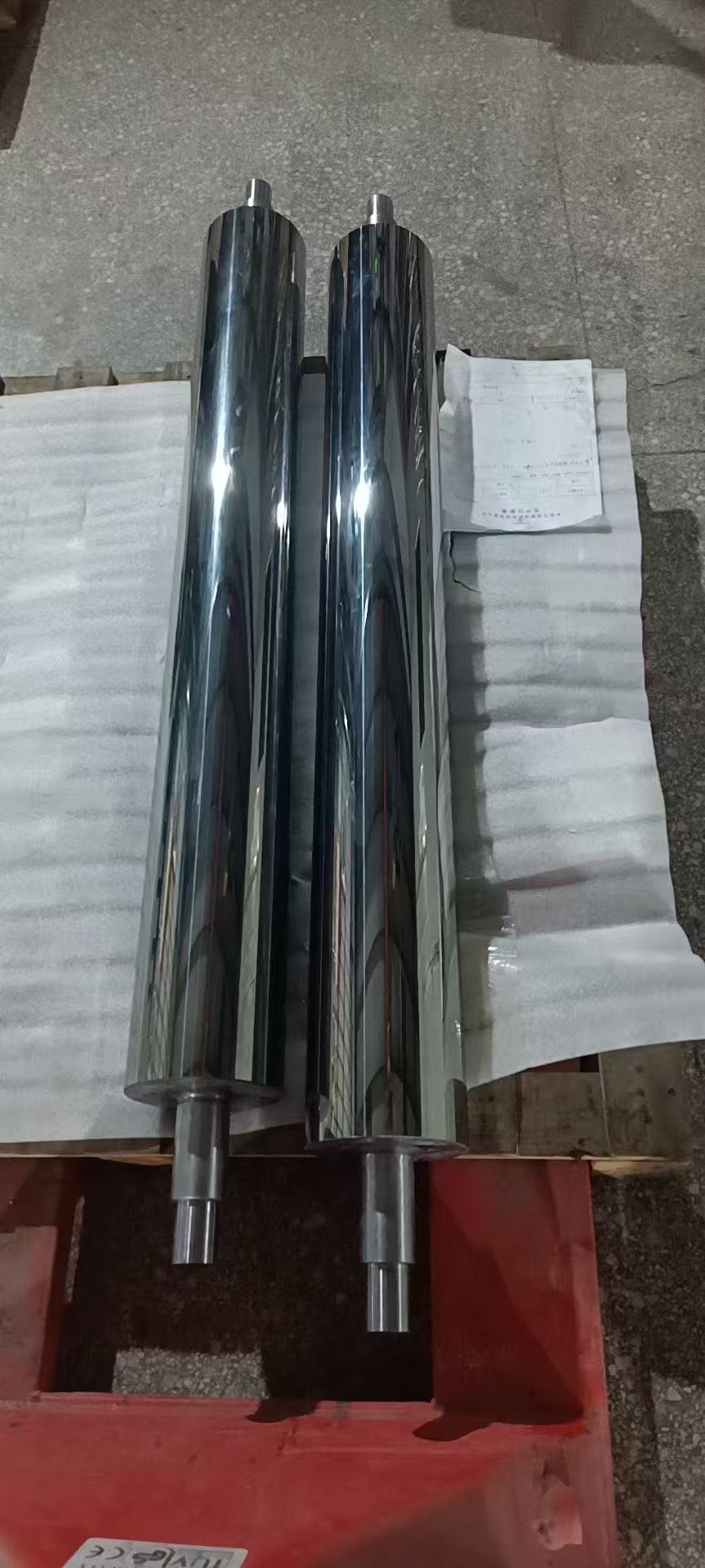
Photograph the complete roller and the local problem
- Take an overall view showing the full working face and both ends.
- Photograph the affected area under even light, with a scale placed alongside where practical.
- Include shaft ends, bearing seats, shoulders, holes and threads.
- Identify the operating side and the location of each close-up.
- Keep photographs from before and after any agreed cleaning step clearly labeled.
Do not grind or strip away an unknown coating just to improve the enquiry photographs. Removal may change dimensions or obscure evidence needed to assess the base component. Discuss cleaning and preparation with the responsible service provider, and inspect only after the roller is safely removed or isolated under the site's maintenance procedure.
Identify the substrate and previous treatment
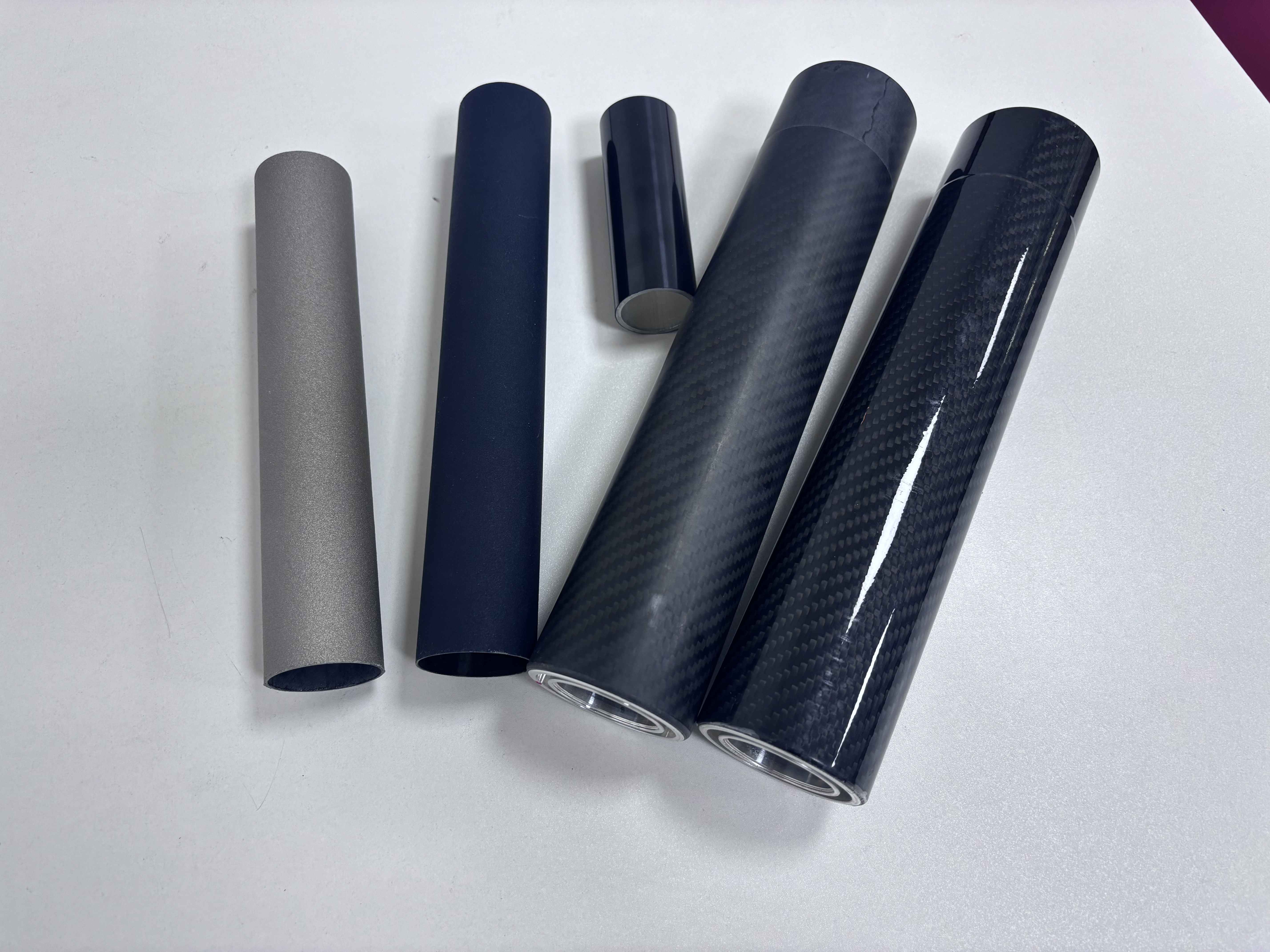
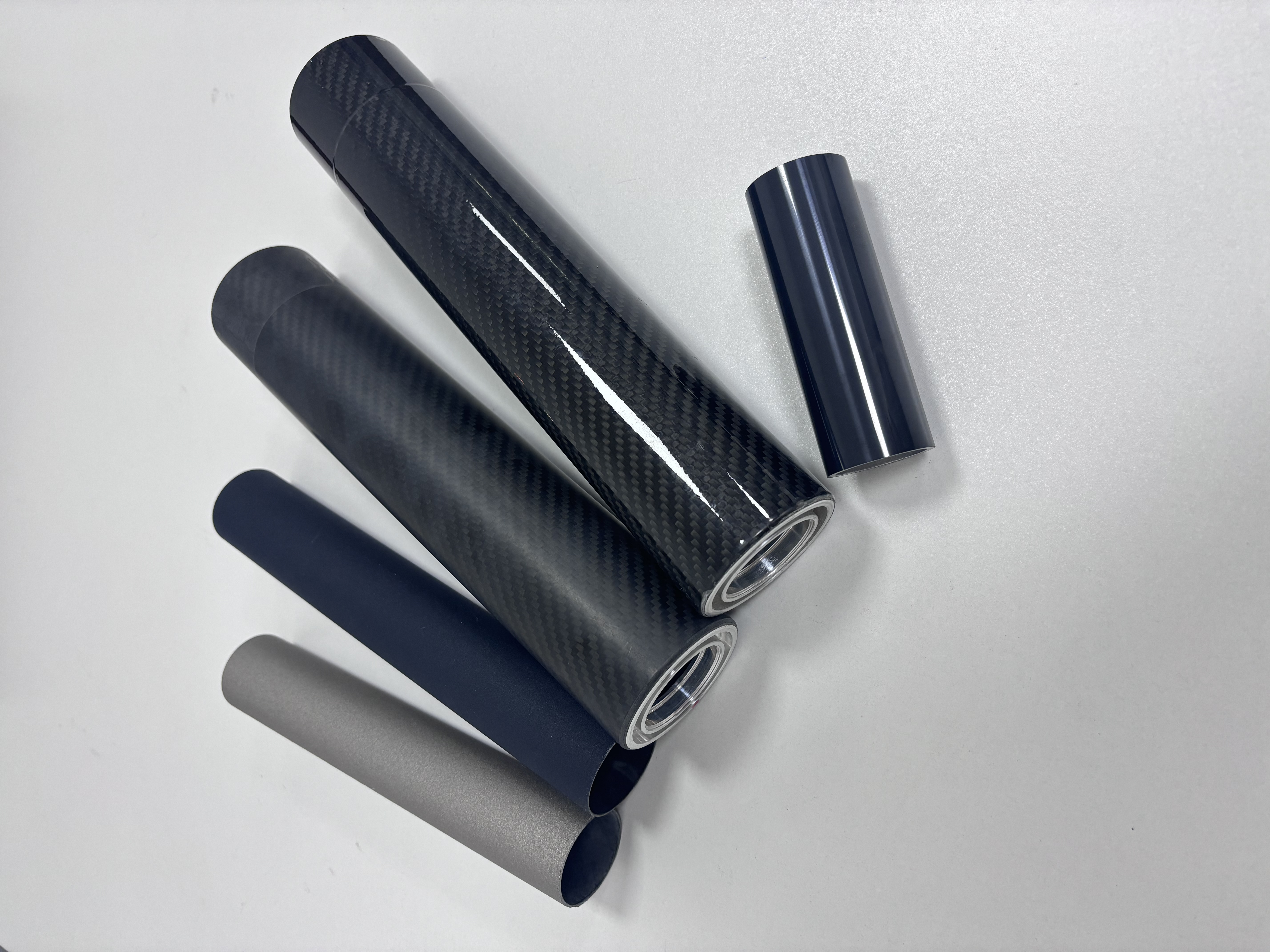
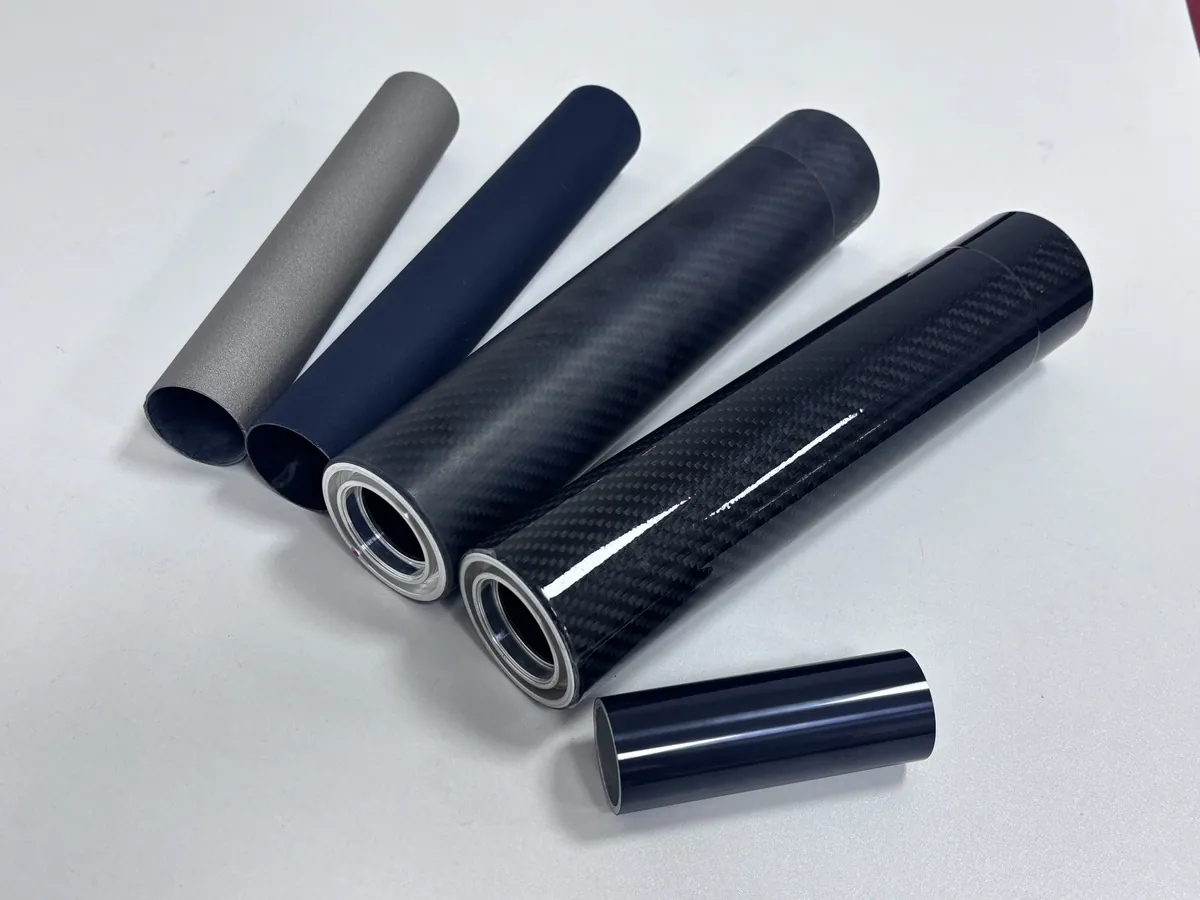
Provide the base material, drawing and any available information about previous coating or repair. For a carbon fiber roller, include composite or resin information if available. A preparation or coating-removal method used for steel should not be assumed suitable for a composite body.
If the old system is unknown, say so. Coating color or a photograph alone cannot establish its composition. Record the number of earlier repairs when known and identify any areas already machined or rebuilt. These details help the supplier decide which questions can be answered remotely and which require inspection.
| Assessment item | Information to send |
|---|---|
| Base roller | Material, construction, drawing revision and known repair history |
| Working face | Face length, current diameter, target diameter and coating boundaries |
| Geometry | Required runout, profile, bearing-seat and shaft conditions |
| Process contact | Adhesive or web material, contact conditions and cleaning routine |
| Old coating | Known type, service symptoms, damaged locations and removal constraints |
| Acceptance | Dimensional checks, surface criteria and release trial to be agreed |
Agree geometry before the coating build
State which dimensions refer to the existing roller and which are required after treatment. Identify uncoated and masked regions explicitly. If the roller has a crown, profile or other special working geometry, include the drawing rather than describing it only as a cylinder.
Valmet's roll reconditioning service overview includes inspection and checks such as runout and balance within a broader maintenance assessment. The practical lesson for an anti-stick enquiry is to discuss the component condition alongside its surface. The scope and acceptance checks for your Furui project must be agreed separately.
Separate the repair scope from performance validation
Ask for the proposed work to identify preparation, any old-layer removal, masked features, coating application and final inspection. If the base component has unresolved damage, coating feasibility remains open until that issue is assessed. Recoating should not be described as a guaranteed remedy for every roller problem.
Then define how the treated surface will be evaluated with the intended adhesive or process material. Use the adhesive release test plan to record contact conditions, cleaning and acceptance. Agree whether an initial coupon, sample component or representative line trial is the appropriate next step.
Questions buyers often ask
Can every worn roller be recoated?
Feasibility depends on the base component, old coating, remaining dimensions and the required final condition. Photographs help start the review but may not reveal internal or local substrate damage. Confirm the inspection scope and any conditions that must be resolved before a coating proposal becomes final.
Can metal and carbon fiber rollers use the same process?
Do not assume so. Their construction and compatibility with preparation, removal and coating conditions require separate review. Supply the substrate information and previous treatment history, and have the proposed method assessed for the actual roller rather than selecting it only from a familiar coating name.
What makes a useful first enquiry?
Send a drawing, overall and close-up photographs, the base material, current and target dimensions, coating history and the process problem. Add operating and cleaning conditions plus your proposed acceptance criteria. Clearly identify unknown information so the supplier can plan the next inspection or trial.
Choose the next assessment step
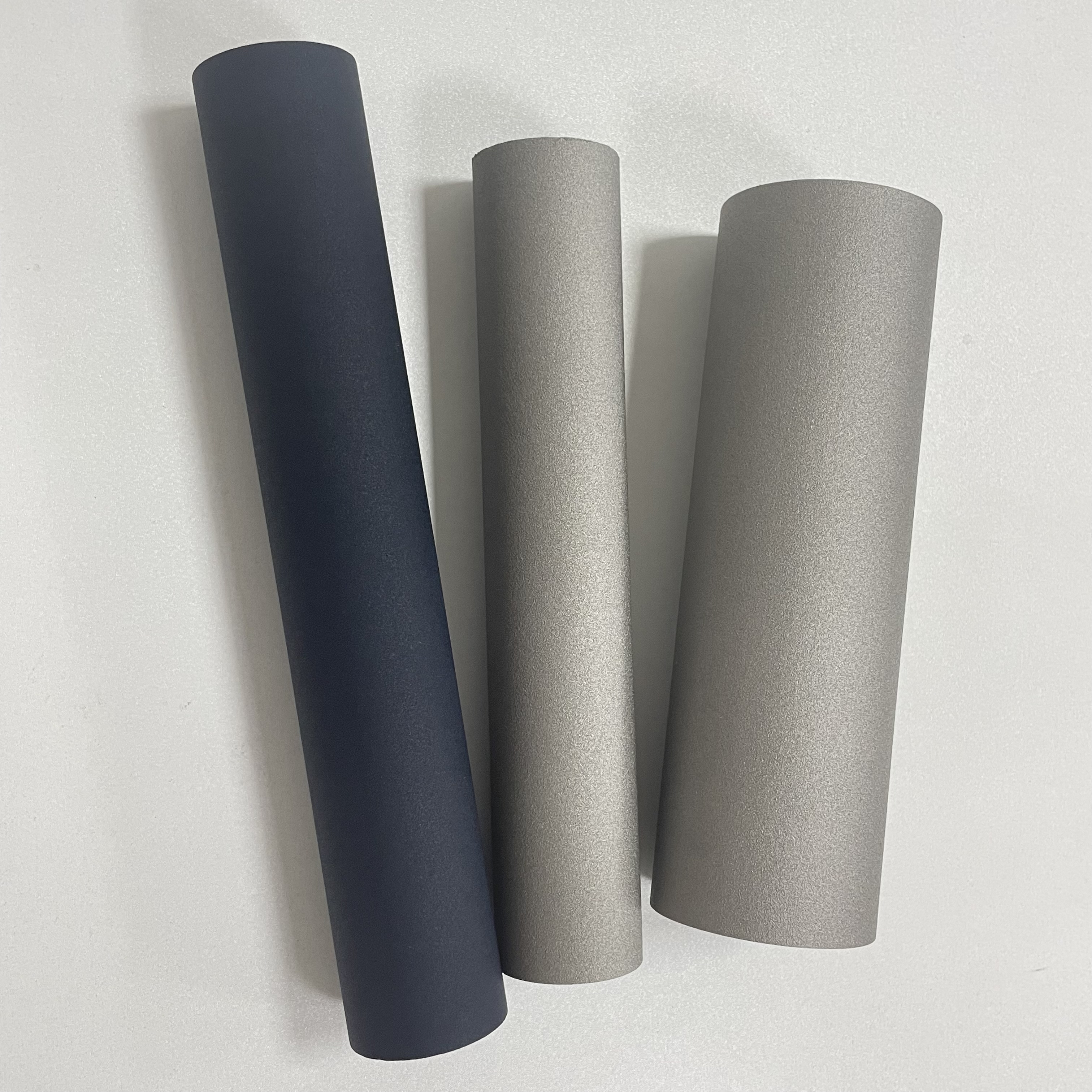
Explore Furui's metal roller coating and carbon fiber roller coating assessment. For broader system selection, the anti-stick roller coating guide connects the surface requirement to the intended process.