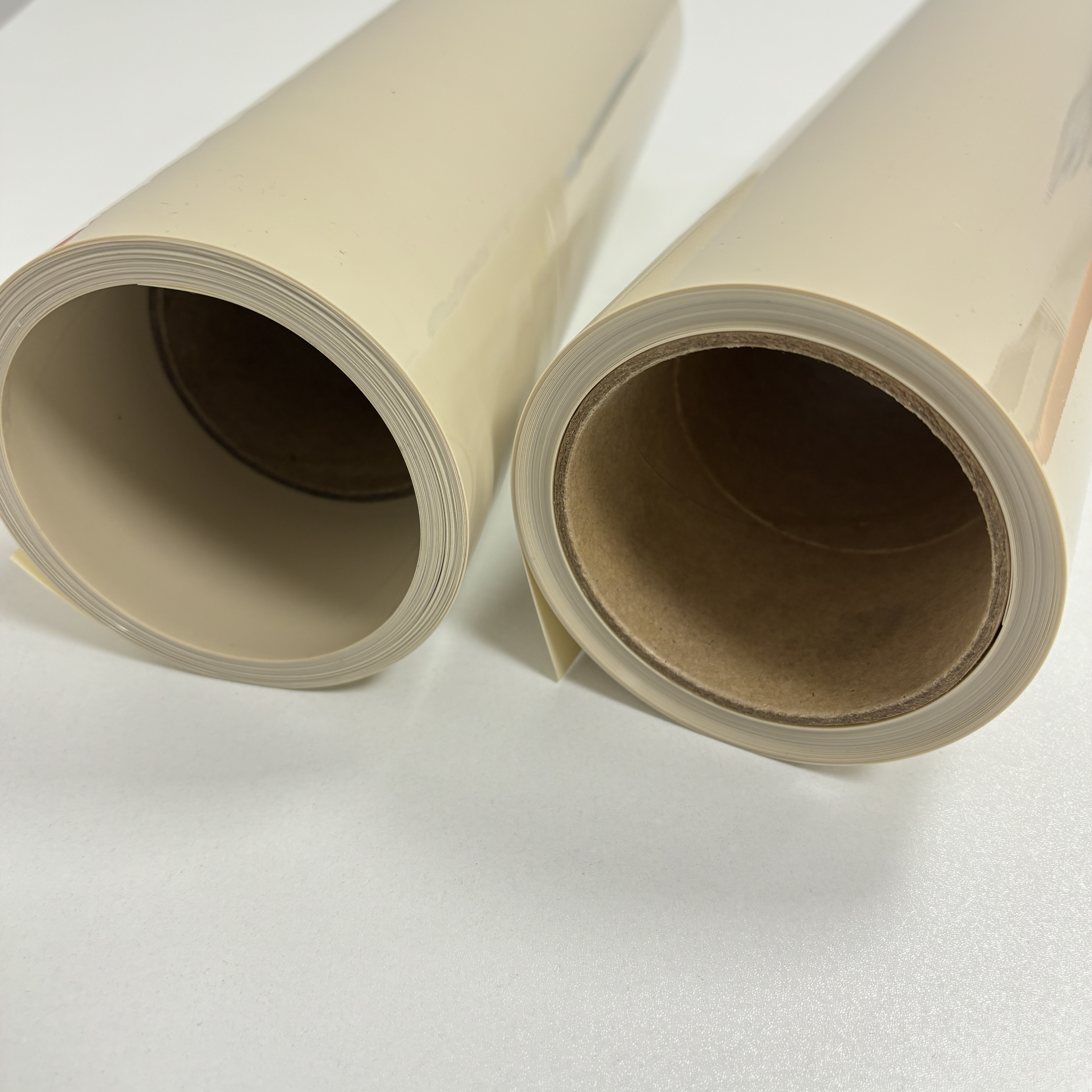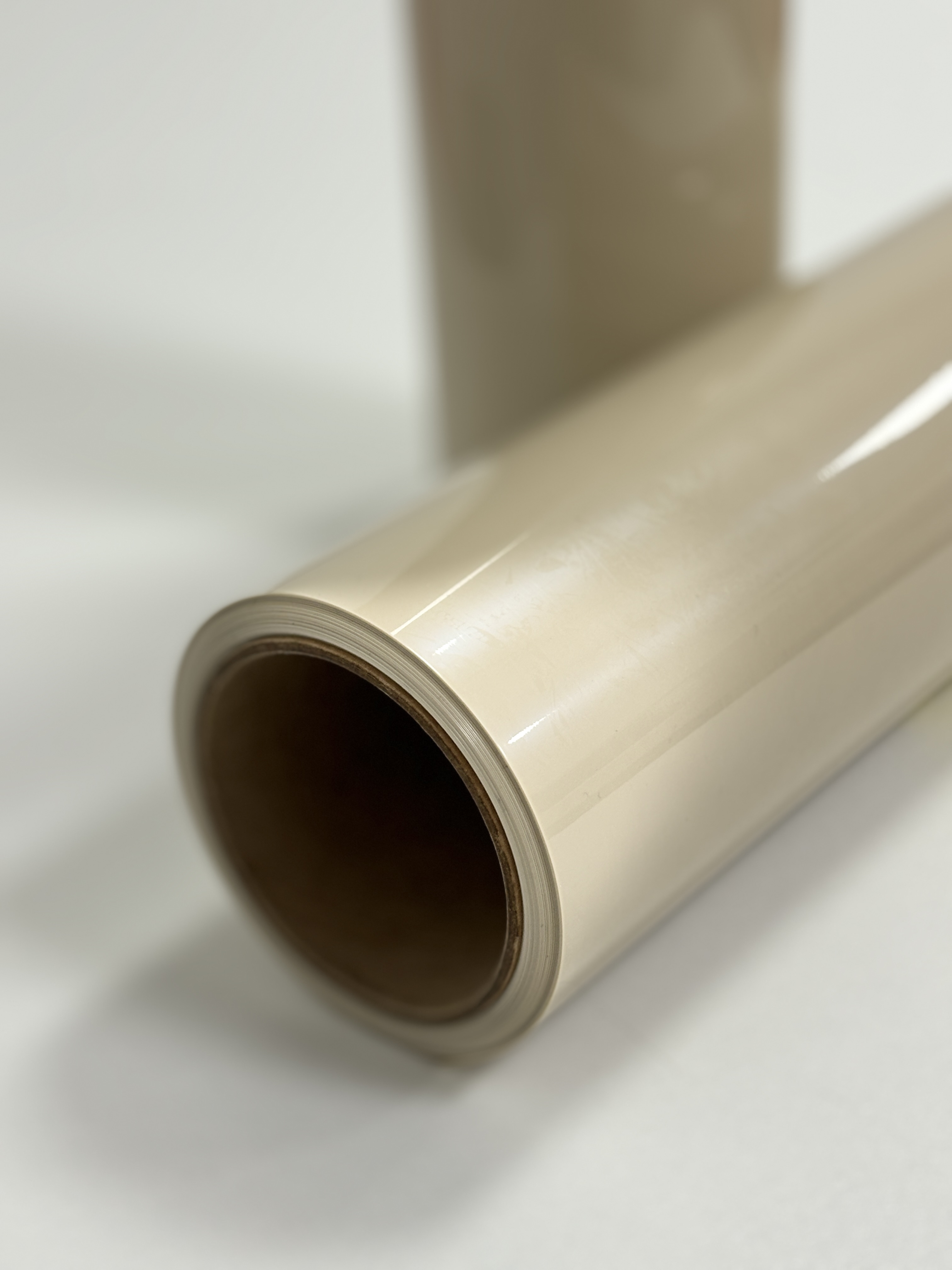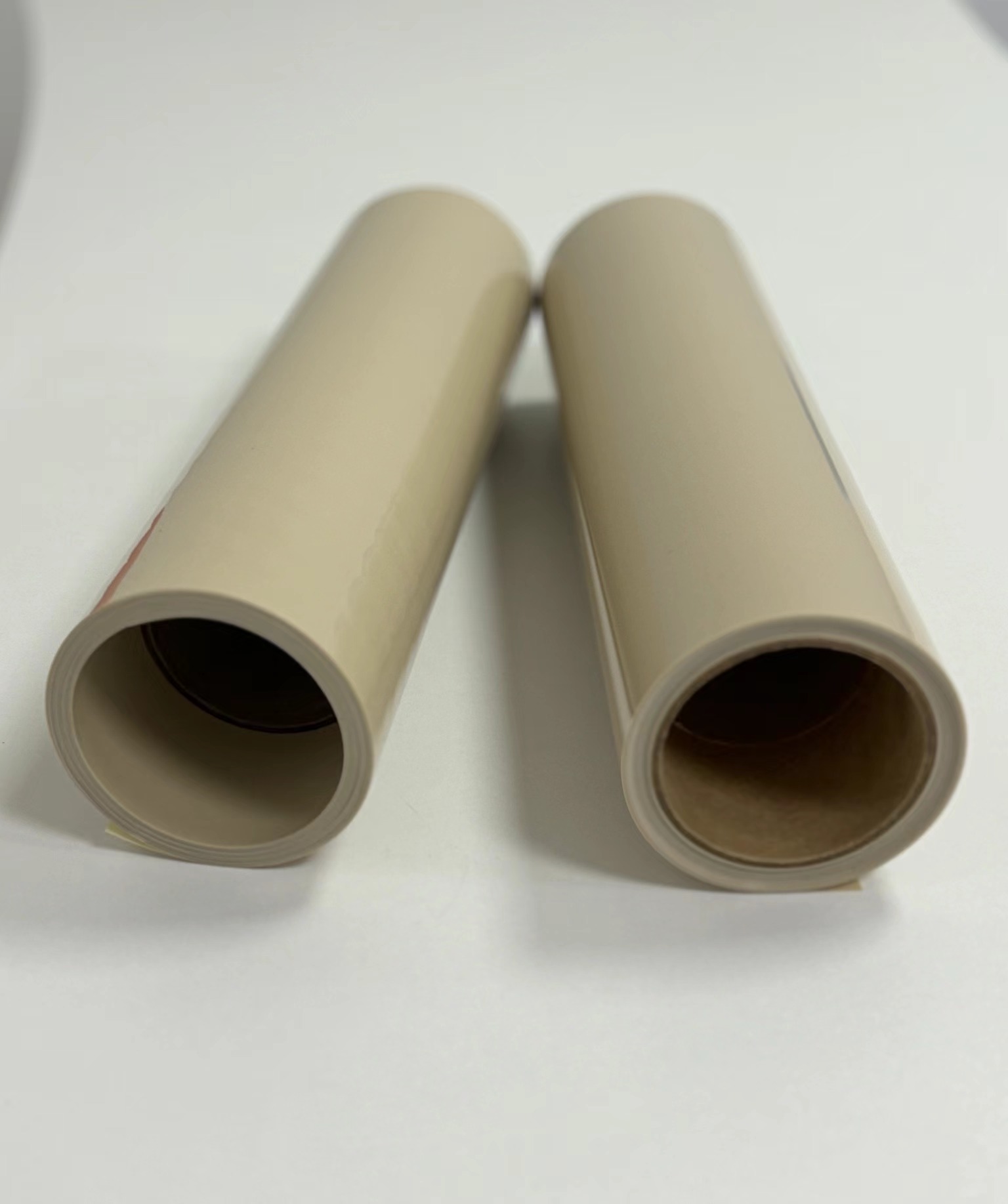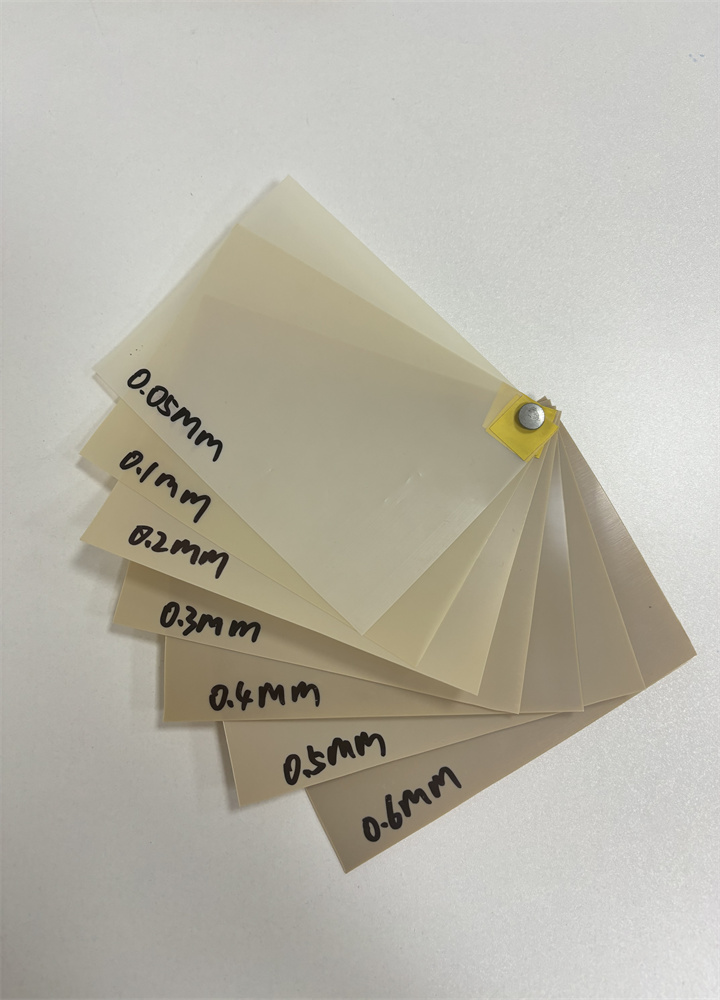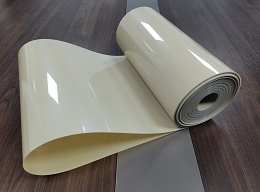
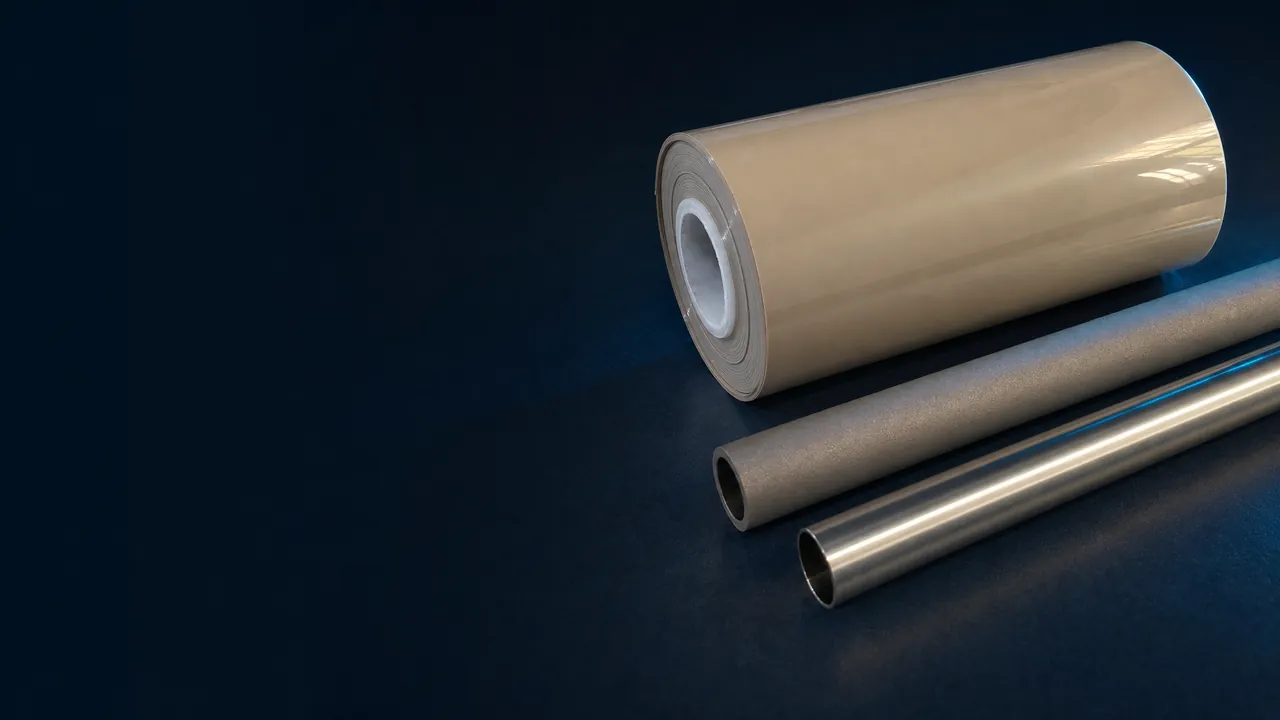
A useful PEEK film slitting specification describes more than width
A custom slit PEEK film order should define the material, dimensions, roll presentation and inspection information needed by the receiving process. Width is only one part of that description. Two rolls with the same nominal width may behave differently during unwinding if the core, roll diameter, winding condition or edge quality does not suit the equipment. A complete enquiry connects the supplied roll with the operation that will consume it.
This guide is a procurement and trial-planning checklist. It does not establish Furui's minimum slit width, guaranteed tolerances or available core sizes. Those details need confirmation for the film, equipment and quantity being assessed. Start with the process requirement, then ask the supplier which format is feasible.
Begin with material identity and downstream use
Identify the PEEK film that will be slit, including the grade or agreed film reference, supplied condition and surface requirement. Describe whether the material will be wound directly into an assembly, laminated, die-cut, formed or inspected before another operation. The Victrex film datasheet library illustrates why film-family identity matters: PEEK films are not all the same material specification. Its grades are background examples, not Furui product equivalents.
State which feature is critical to the application. A narrow electrical strip may place particular importance on thickness and edge integrity, while an indexing or converting process may be sensitive to lateral position. This information helps distinguish a functional requirement from a number copied from an earlier order. Include the reason for an unusually tight requirement so that both teams can evaluate it intelligently.
Write dimensions as nominal values plus an agreed rule
For thickness and width, provide the nominal target and the acceptable variation. Explain whether the tolerance is symmetrical, whether a maximum or minimum is the controlling limit, and whether the requirement applies locally or to a measured average. Use consistent units throughout the drawing, purchase order and inspection request. A clear specification prevents an innocent unit conversion from becoming an expensive production error.
Do not ask for the tightest possible tolerance by default. The useful tolerance is the one needed by the receiving process. If that limit is not yet known, begin with trial material and measure the process response. Buying an unnecessarily narrow tolerance can restrict supply options without improving the finished part. Conversely, an unqualified nominal dimension may be insufficient where a local deviation can cause a functional defect.
Agree how width will be measured
Specify the measurement approach before comparing supplier and receiving inspection results. Discuss instrument suitability, the condition of the film during measurement, and the positions or intervals to be checked. A flexible strip can be distorted by handling, so the operator's method belongs in the measurement description. The objective is a repeatable comparison, not a long list of instruments without a defined procedure.
Keep original measurements as well as the final pass or fail decision. Record sample identity, operator, instrument reference and any visible damage. If the receiving measurement disagrees with the supplier's result, review the methods and specimens together before concluding that a batch is out of specification. A retained sample can make that discussion much more useful than a photograph of a ruler next to a curled strip.
Define roll length, quantity and usable material
State whether quantity is ordered by roll, length, area or mass and which unit controls acceptance. If length matters to production planning, ask how it is established and what information will appear on the roll label. Distinguish total supplied length from the usable length required for a continuous run. A buyer who needs uninterrupted material should make that need explicit at the enquiry stage.
Discuss how joins, splices or marked defects should be treated. Do not assume that they are permitted or prohibited without an agreement. If a development roll can contain a marked splice but production material cannot, document those as separate requirements. Define what counts as a usable roll so the supplier can evaluate yield and the buyer can plan realistic changeovers.
Match the core and roll diameter to the machine
Provide the receiving equipment's core requirement and maximum roll diameter. Where relevant, include shaft arrangement, clamping method, available face width and the way the roll is supported. Avoid selecting a core solely from a familiar photograph. A roll can meet its width specification and still be unsuitable for the unwinder if its mechanical presentation is wrong.
Confirm how the film should be wound and which surface should face inward or outward. If the two sides serve different functions, identify them consistently in the drawing, sample label and operating instruction. Include a simple orientation sketch when words could be interpreted in more than one way. A small clarification before production is preferable to discovering a reversed roll after it has entered a sensitive process.
Describe edge quality in terms of the operation
Edge expectations should connect to the next manufacturing step. Ask the supplier how edge quality can be assessed for the requested film and slit width. Agree how visible edge defects, tears, deformation or contamination will be judged. Avoid introducing a specialist term without a corresponding example or acceptance rule; different teams may use the same word for different observations.
For a critical application, retain representative examples of acceptable and unacceptable edges. Inspect trial material after unwinding as well as on the roll. If a defect appears only during handling, record tension, guide contact and the location along the roll. This helps separate a supplied-edge concern from damage created by the receiving process and makes corrective work more focused.
Evaluate winding through a controlled trial
A winding specification should support stable unwinding rather than merely an attractive roll. Describe any observed problem precisely: lateral movement, difficulty separating layers, wrinkles, inconsistent feeding or damage near the core. Record where the issue occurs and whether it changes as the roll diameter decreases. A brief video can help, provided it is accompanied by the operating conditions.
During the trial, change one meaningful factor at a time where practical. Keep the same material orientation, guide arrangement and inspection criteria while exploring an operating setting. If equipment adjustments are needed together, document the combined change. The outcome should be a usable operating window for the supplied format, not a conclusion based only on the first few metres of a fresh roll.
Specify packaging for the receiving environment
Explain how rolls will be transported, stored and transferred to the equipment. Discuss protection of the edges, exposed film and cores. If the receiving process has cleanliness or handling requirements, provide them explicitly instead of relying on the word clean. Ask which packaging and labelling arrangements are available for review rather than assuming a particular cleanroom classification or packaging certification.
Labels should let the buyer connect a roll with the purchase order and agreed material reference. Useful fields may include film identity, nominal dimensions, quantity, batch reference and winding orientation. Decide which information must appear on each roll and which can remain on an outer package. The right level of traceability depends on the application and should be agreed before the shipment is prepared.
Request the inspection information you will actually use
Identify the records needed to release the material for a trial or production order. These might include dimensional results, a statement of supplied condition or other available production information. Ask what is available for the proposed material, batch and order. Do not assume that a generic brochure is a batch inspection report or that a report for one grade covers another.
The Victrex thermoforming guide highlights the importance of process control for its film applications. For slit material, the purchasing implication is straightforward: preserve the connection between incoming film identification and downstream trial records. Conversion history and specimen identity should not be lost when a wide roll becomes several narrow ones.
A compact request for quotation checklist
- Film reference, supplied condition and application.
- Nominal thickness and width, with the required tolerances.
- Roll length or quantity and the controlling purchase unit.
- Core requirement, maximum diameter and winding orientation.
- Edge acceptance, splice policy and defect marking requirements.
- Packaging, labelling and available inspection documentation.
- Trial quantity, planned evaluation and intended production demand.
Mark any unresolved field as a development question. That makes it possible to quote an evaluation scope without confusing a provisional target with a confirmed production capability.
Frequently asked questions
Can I order custom slit PEEK film using width alone?
Width alone rarely describes the complete receiving requirement. Include the film identity, thickness, quantity, core and roll presentation, together with the next operation. Furui can assess custom slitting requirements, while feasible dimensions, tolerances and packaging need confirmation for the particular enquiry.
Does a smaller width automatically require the same tolerance?
No tolerance should be assumed from width alone. Explain what the receiving process needs and agree a feasible specification and measurement method. A development trial can help establish which limits are functionally necessary before the buyer finalises a production purchase specification.
What should I send if I do not know the core requirement?
Send the unwinder information, photographs or a drawing showing how the roll is held, together with available equipment limits. Ask the process owner to verify those details. A supplier can assess the requirement more effectively from the machine interface than from an assumed core dimension.
Start with a sample that answers a specific question
Review Furui's PEEK film formats, then send the dimensional and unwinding requirements through the project enquiry page. For material structure questions, also read the amorphous and semi-crystalline film guide. The aim is a traceable trial roll and an agreed supply specification, with every commercial and technical limit confirmed for the proposed order.