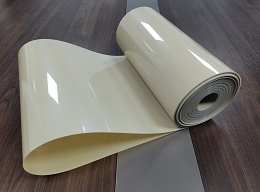
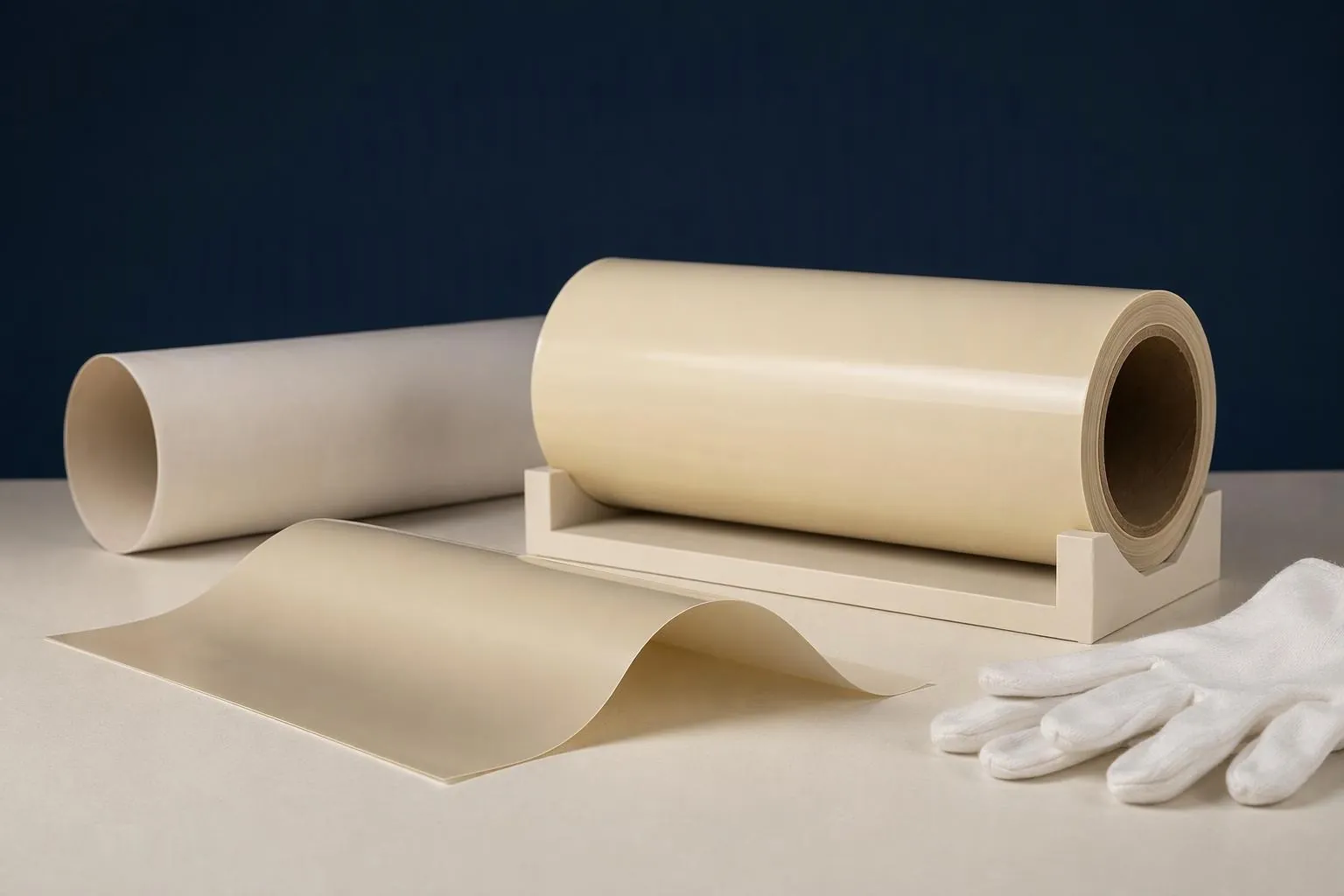
PEEK FILM · HANDLING
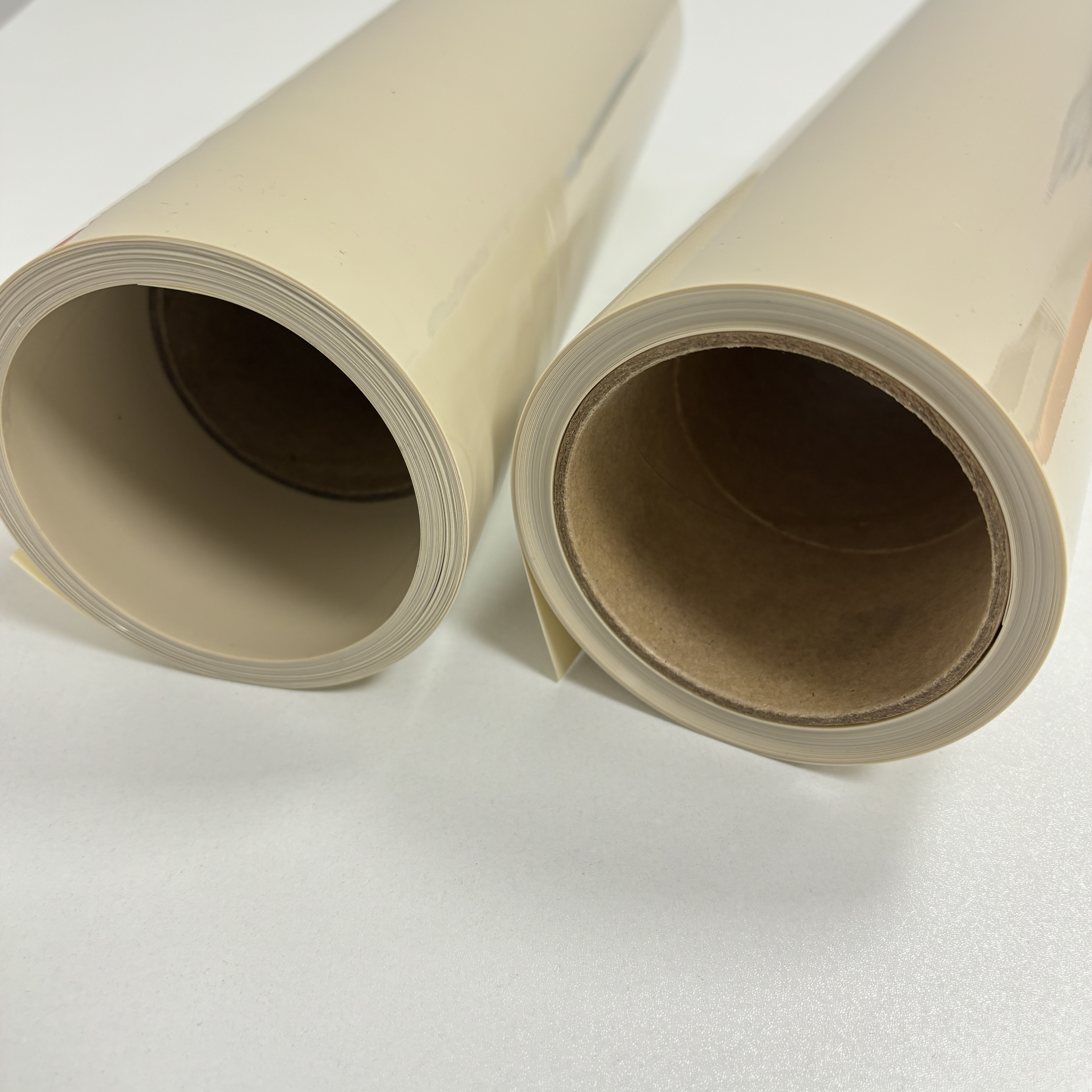
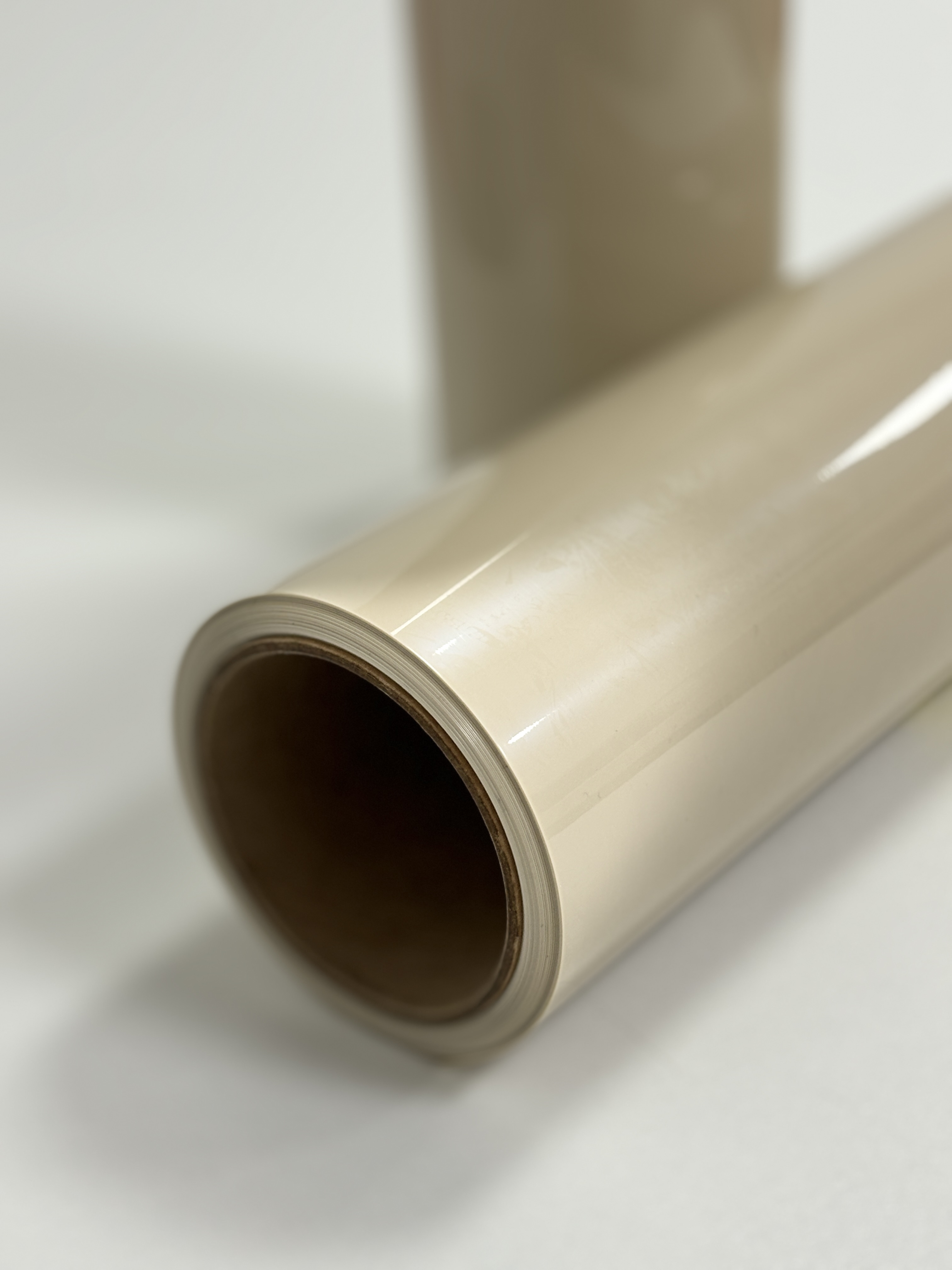
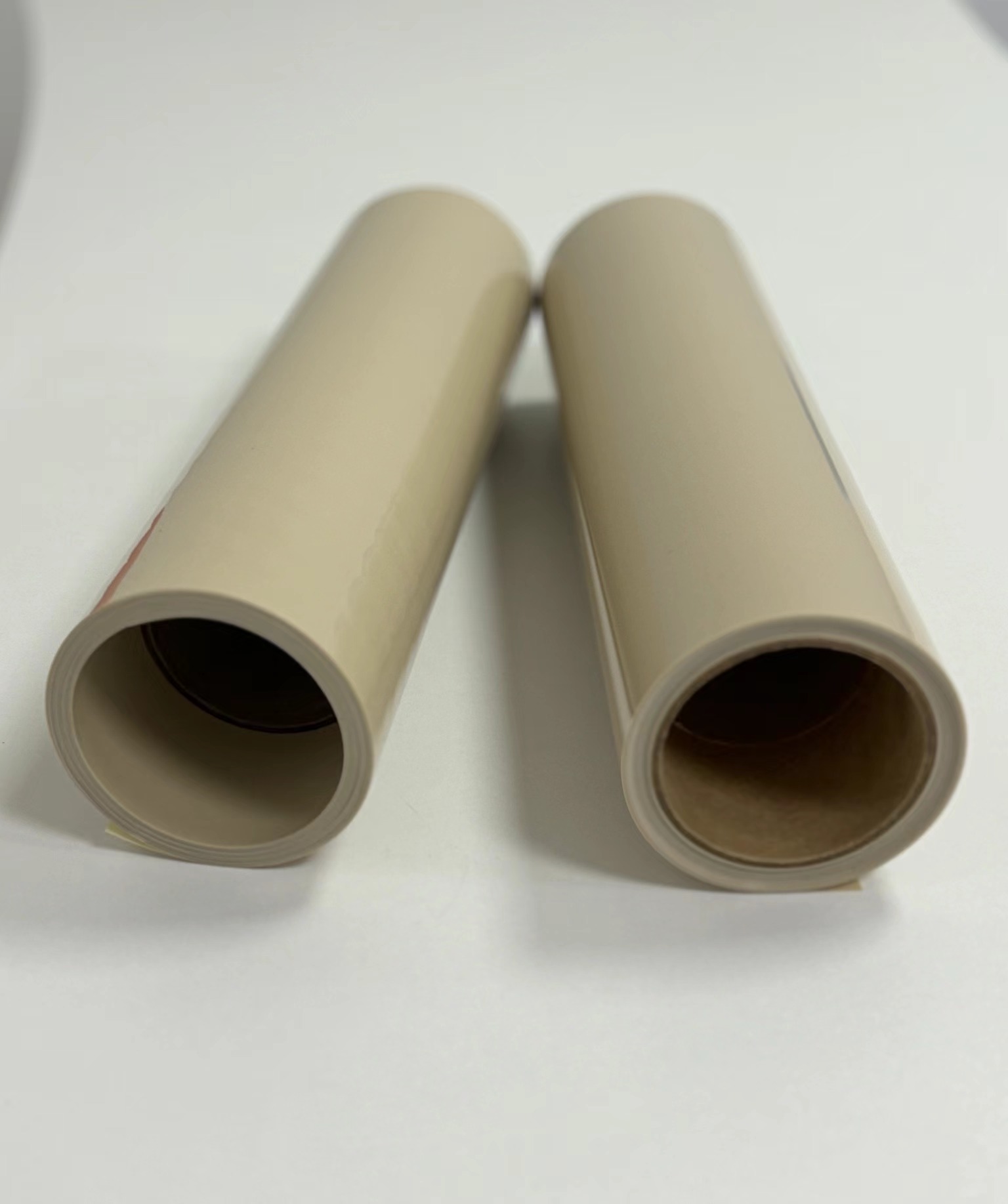
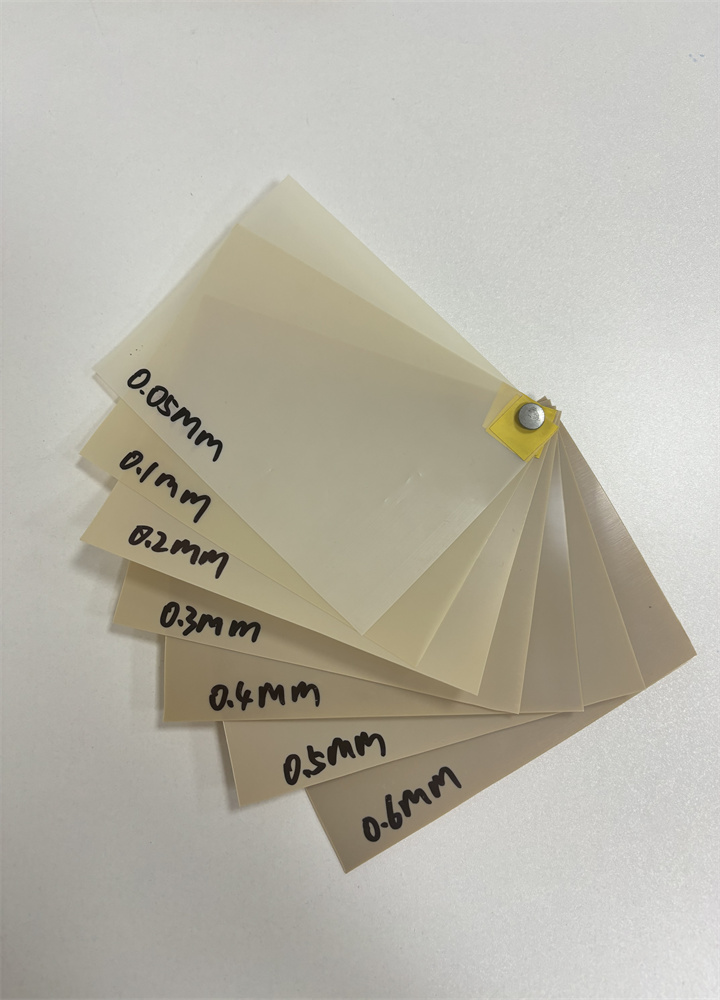
PEEK film storage and handling should protect the condition you intend to evaluate. A roll can arrive with the correct material identity yet become difficult to compare after its packaging, surface or batch information is lost. This guide gives engineers, converters and purchasing teams a practical receiving-to-use checklist.
Start with a documented receiving check
Before opening the protective packaging, compare the delivery label with the order and the agreed film specification. Record the supplier, batch reference, roll or sheet format, nominal dimensions and any stated surface treatment. Photograph packaging damage before removing it, and keep the label linked to the material after it is divided into smaller quantities.
Separate observations from conclusions. A crushed box is an observation; whether the working film is affected needs inspection. If an issue is found, retain representative material and discuss the acceptance method with the supplier before trimming away the evidence.
| At receipt | What to record |
|---|---|
| Identity | Order reference, film designation, batch or roll identifier |
| Packaging | Tears, compression, moisture signs and condition of the core |
| Film surface | Visible particles, creases, edge damage or marks under consistent lighting |
| Supply condition | Untreated or treated surface; any specified side, treatment date or use conditions |
Keep protective packaging part of the process
Use a clean, protected storage area and retain the original enclosed packaging where practical. Victrex's APTIV film safety data sheet describes enclosed original packing and room-temperature storage for its own film grades. This is useful background; the storage instructions supplied for your Furui film and any associated treatment remain the order-specific reference.
Support the roll so that its film edges and core are not crushed by nearby stock. Keep labels readable and prevent loose protective material from rubbing against the working surface. Once a roll has been opened, use a clean protective wrap agreed for that material rather than an improvised cover that may shed particles or leave residue.
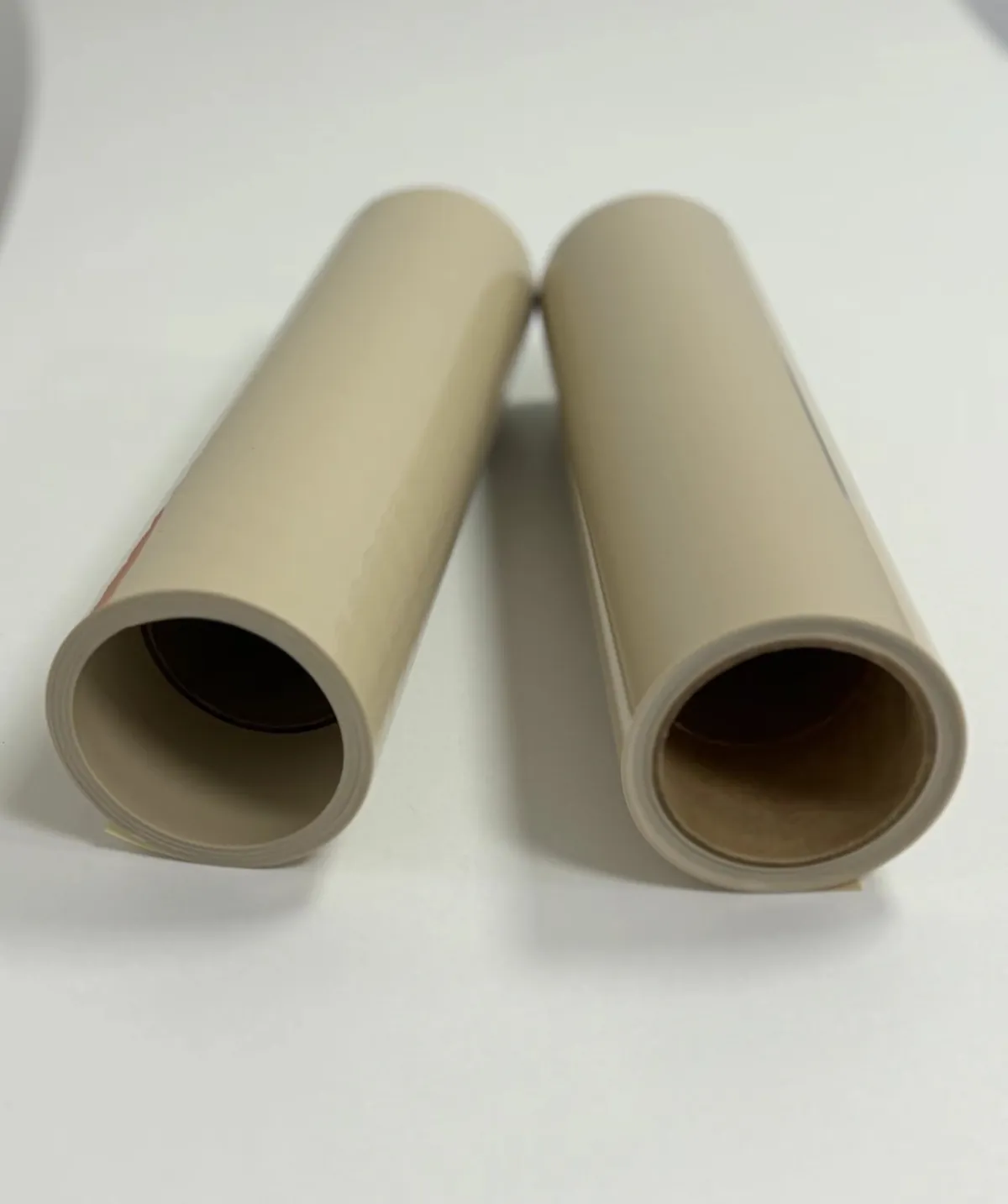
Handle the film without adding a new surface variable
Prepare a clean support surface before unwrapping. Handle the film by protected edges where possible and use clean, suitable gloves when the surface will later be bonded or evaluated. Keep the film away from rough benches and tools that can mark it. A handling mark may matter even when the sheet remains mechanically intact.
Do not select a solvent, abrasive or cleaning treatment only because it is familiar from another material. Confirm the proposed method for the actual film and downstream process, then document it. If a comparison sample is cleaned and another is not, the resulting trial evaluates both the material and that cleaning difference.
Treated film needs its own storage decision
Ask whether the film has a surface treatment and which side was treated. Victrex's surface treatment and adhesion guide explains, for its plasma-treated APTIV films, why storage environment and handling contamination matter. Its treatment-specific shelf life must not be copied as a Furui specification.
For a bonding trial, record the treatment identity, date if supplied, opening date, storage conditions and time to conversion. If surface condition is critical, agree how it will be checked before use. Do not assume that a roll is ready for bonding simply because its bulk material has not visibly changed.
Build a simple roll-to-sample record
- Receive: link the roll to its order, label and inspection notes.
- Open: record the date and any surface observations.
- Convert: identify the slit roll, sheet or coupon and its parent roll.
- Evaluate: record cleaning, conditioning and processing applied to each sample.
- Reseal: protect the remaining material and keep its status visible.
A short record is sufficient when it answers a real question. For example, if a bonding result changes between two trials, the team should be able to tell whether they used the same film, surface condition and storage history. Avoid turning a nominal material match into an unsupported claim of identical sample condition.
Questions buyers often ask
Does every PEEK film have the same shelf life?
No. Distinguish the supplied film from surface treatments, adhesives or packaging conditions that may impose their own limits. Request the applicable storage instructions and confirm how the film will be accepted after storage. Do not transfer another manufacturer's shelf-life statement to a Furui order.
Should I dry a film roll before every trial?
Do not prescribe a universal drying cycle from the name PEEK alone. Discuss the actual film condition, packaging, process and acceptance requirements with the supplier. If drying is required for your trial, agree the method and record it so the result can be reproduced.
What should accompany a handling-related enquiry?
Send the film or roll identifier, photographs of packaging and affected surfaces, the date opened, storage conditions and the next process step. State whether the concern involves appearance, converting, bonding or electrical evaluation. Retain representative material so observations can be reviewed against the agreed acceptance method.
Connect handling with the film specification
Furui manufactures PEEK film and can discuss available production and inspection information. Pair this handling record with the custom slitting specification checklist so material identity, edge requirements and packaging expectations are clear before sampling.