PEEK film for acoustic diaphragms: validate the component, not just the polymer
PEEK film can be considered for acoustic diaphragm development, but a material name does not predict the sound of a finished transducer. The result depends on film selection, geometry, forming, attachment and the rest of the assembly. A useful evaluation links a traceable film sample with a controlled component trial and an agreed acoustic test plan. That approach is more informative than comparing two loose sheets by touch.
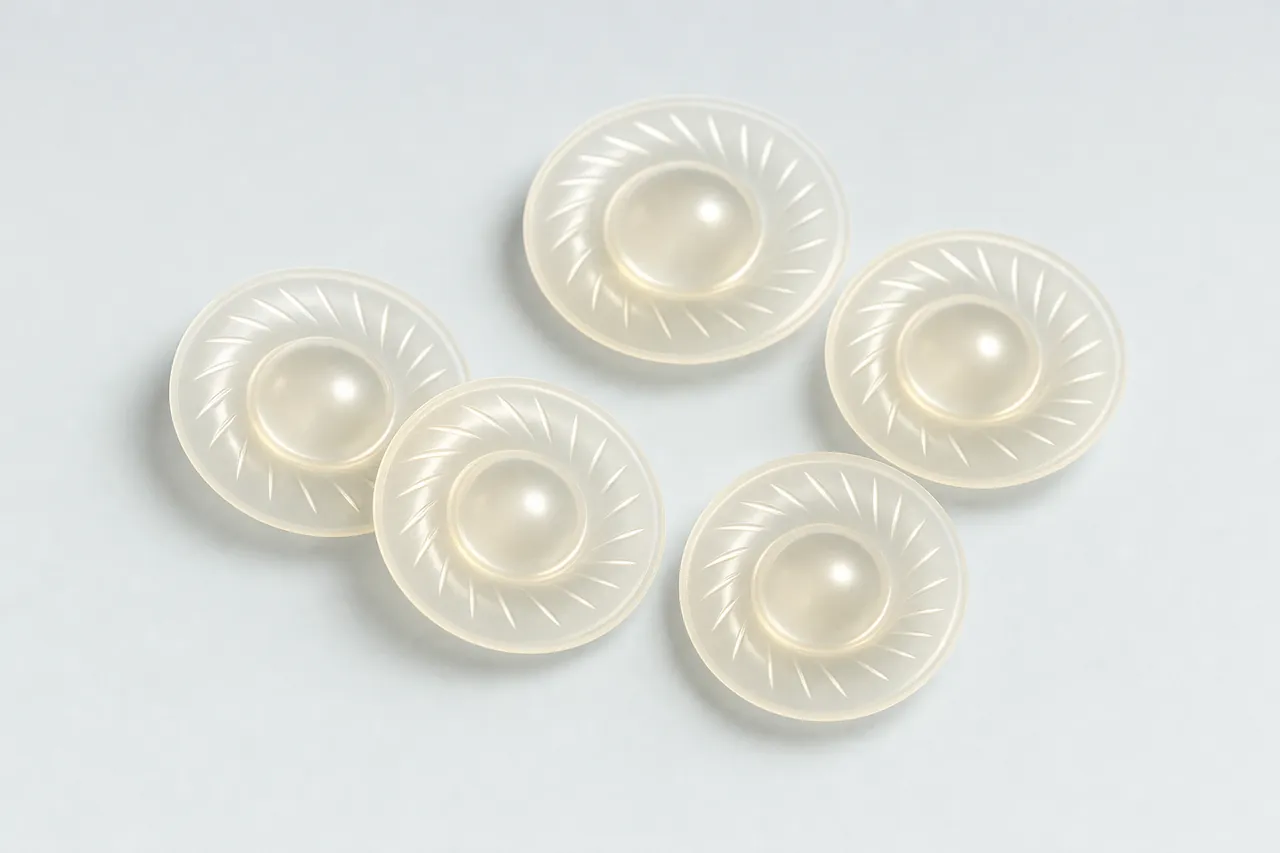
Furui's supplied application material includes small film diaphragm components. These provide a starting point for a technical discussion, not evidence that an untested film will improve every speaker or microphone. This guide explains how a buyer, film supplier, forming specialist and acoustic engineer can prepare a development programme without confusing material potential with validated assembly performance.
Translate the acoustic objective into a development question
Begin with the problem the existing design must solve. It might concern consistency between units, response after environmental exposure, difficulty forming a feature, or assembly yield. Describe the symptom and how it is currently measured. A request for better sound is difficult to evaluate because different teams may interpret it as a change in response, distortion, sensitivity or subjective listening preference.
Separate the target from the proposed explanation. For example, a response change after heating does not by itself prove that the diaphragm film is responsible. List other parts or process steps that may contribute and decide what the film trial will hold constant. The first experiment should answer a manageable question, not attempt to qualify a new material, new geometry and new assembly process simultaneously.
Identify the exact film under consideration
Ask for the film reference, supplied condition, nominal thickness, surface and any available production or inspection information relevant to the trial. State whether the application requires an unfilled or modified film, and discuss that requirement with the supplier rather than inferring it from the generic name PEEK. A report for one grade or specimen should not be used to represent a different film.
As an industry example, Victrex's APTIV 2100 datasheet identifies a specific mineral-filled amorphous film family intended for thin-wall forming, including speaker diaphragms. This demonstrates the importance of grade-specific selection. Its composition and published properties belong to that product family; they are not specifications for Furui film or evidence that the products are interchangeable.
Define thickness at the right stage
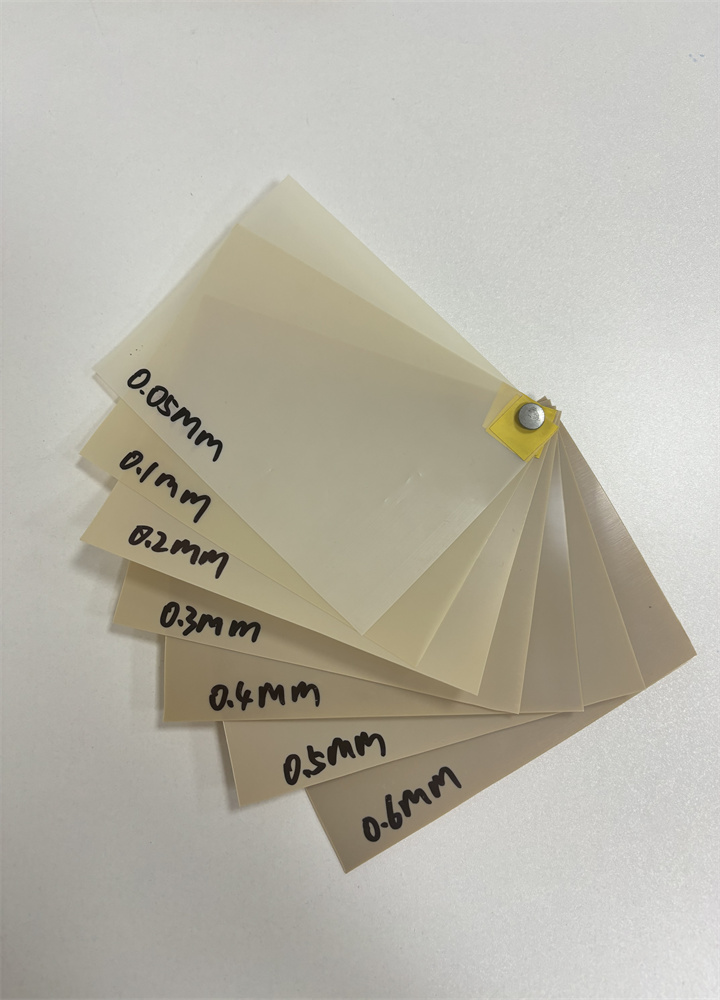
The thickness of an incoming flat film and the thickness distribution of a formed diaphragm are different observations. Decide where incoming film measurements are needed and which locations on the formed geometry are critical. A nominal sheet thickness alone does not establish the local condition at a dome, transition or corrugated feature after forming.
Plan how those locations will be measured without damaging or distorting the specimen. Record the measurement method and specimen identification, and retain the original results. If direct local measurement is difficult, agree what other observations can support the trial and acknowledge the remaining uncertainty. Avoid assigning a precise wall value to a formed region simply because that was the incoming film's nominal thickness.
Control geometry before comparing materials
Create a drawing or controlled reference for the diaphragm. Identify the dome, surround, transition radii and attachment features relevant to the design. If a geometry changes between film candidates, the acoustic comparison is no longer a material-only comparison. That may be a valid development choice, but it should be stated explicitly in the trial report.
Use consistent inspection criteria for formed parts. Check feature definition, symmetry, trimming, visible defects and the interfaces needed for assembly. Keep records of rejected parts as well as successful ones. A candidate that produces one attractive diaphragm but inconsistent surrounding features may need a different process assessment before acoustic testing can provide a meaningful comparison.
Record forming history and handling
Record the actual heating and cooling sequence used for each film candidate, together with tool identification and the relevant machine settings. Include the interval between forming and inspection if it matters to the evaluation. Do not rely on an operator's recollection after several trials have been mixed together on a bench.
Victrex's PEEK film thermoforming guide discusses temperature and time control for its own films. For a Furui development project, obtain suitable guidance for the selected film and actual equipment. Use a written trial plan rather than transferring a published recipe directly to a different material or tool.
Treat attachment as part of the system
Describe how the diaphragm is attached to the surrounding assembly. Identify adhesives, surface preparation, fixturing, cure or dwell conditions, and handling between preparation and bonding. A loose diaphragm trial cannot establish the performance of the attachment. Conversely, an attachment failure should not automatically be attributed to the bulk film without examining the interface.
Keep bond preparation and assembly timing consistent during a material comparison. Record adhesive identity and batch, application method and the observable condition of the joint. If the attachment process changes to suit a candidate film, document that adjustment and evaluate its repeatability. The eventual supply decision should cover the complete practical assembly route, not merely a compatible-looking film sample.
Build a fair acoustic comparison
Ask the acoustic engineer to define the measurement fixture, instrumentation, drive conditions and acceptance criteria. Use an appropriate reference assembly tested under the same method. Assign identifiers to specimens so that acoustic measurements can be connected to film, forming and assembly records. This makes it possible to investigate an outlier rather than discarding it without understanding its history.
Choose the number of specimens and repeats for the decision being made. A feasibility screen and a production qualification do not need identical evidence, but each needs enough evidence for its purpose. Compare distributions or repeat results where appropriate rather than selecting the single best unit from each group. Report failed assemblies and exclusions with a reason so the final comparison is not biased by hidden selection.
Include environmental and process exposure
List the exposures the finished assembly must encounter in manufacture, storage and use. Agree the sequence and duration of any development conditioning with the responsible engineer. Decide which acoustic and dimensional observations will be repeated afterward. The test conditions should represent the project requirement, not a severe-looking exposure chosen only because it is convenient in the laboratory.
Inspect the assembly as a system after exposure. Note visible deformation, attachment changes, contamination and the measured acoustic result. If performance changes, preserve specimens for investigation. A comparison of before-and-after results is useful only if the method and identification remain consistent. Avoid extrapolating a short development exposure into a claimed service life without an appropriate validation basis.
Connect material records with production practicality
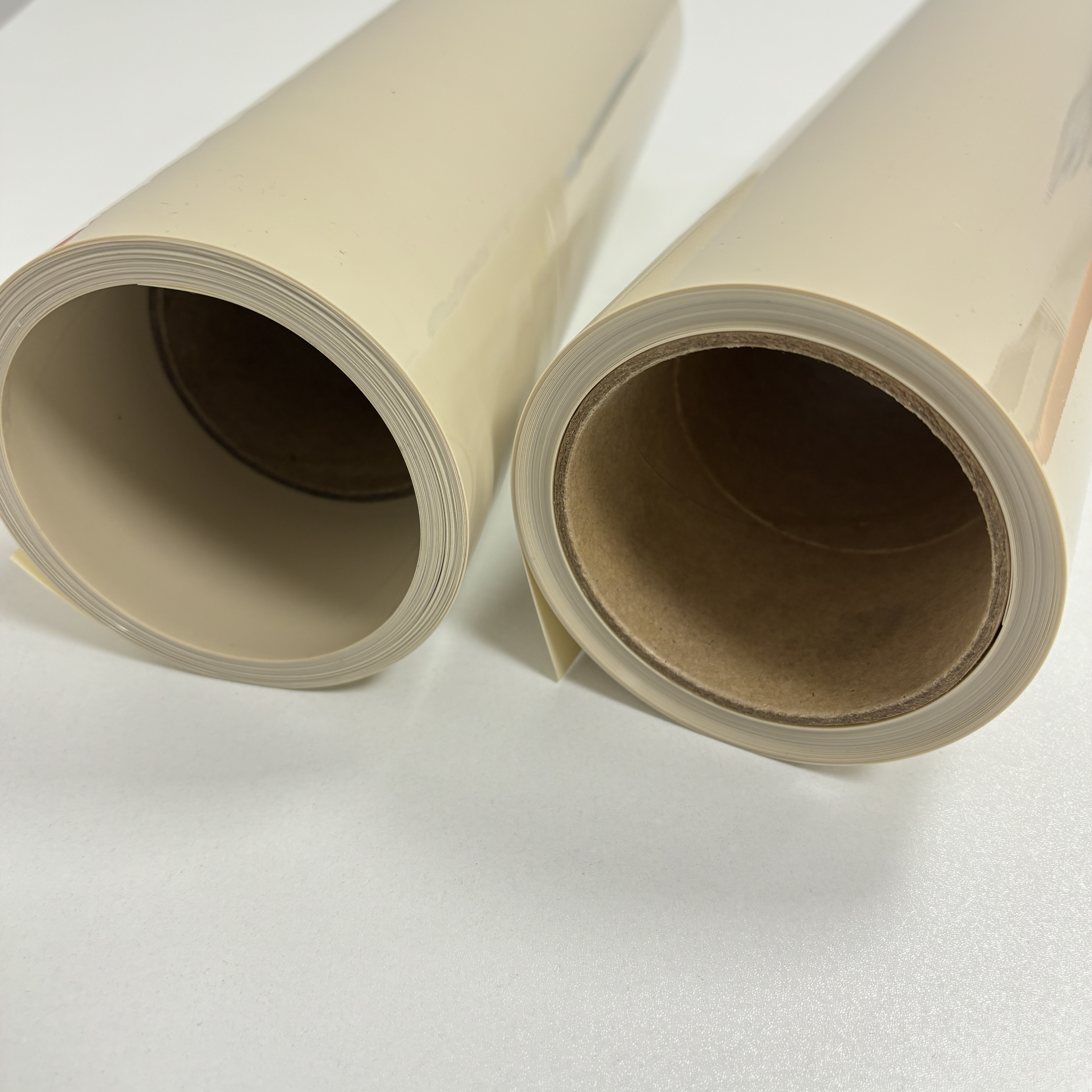
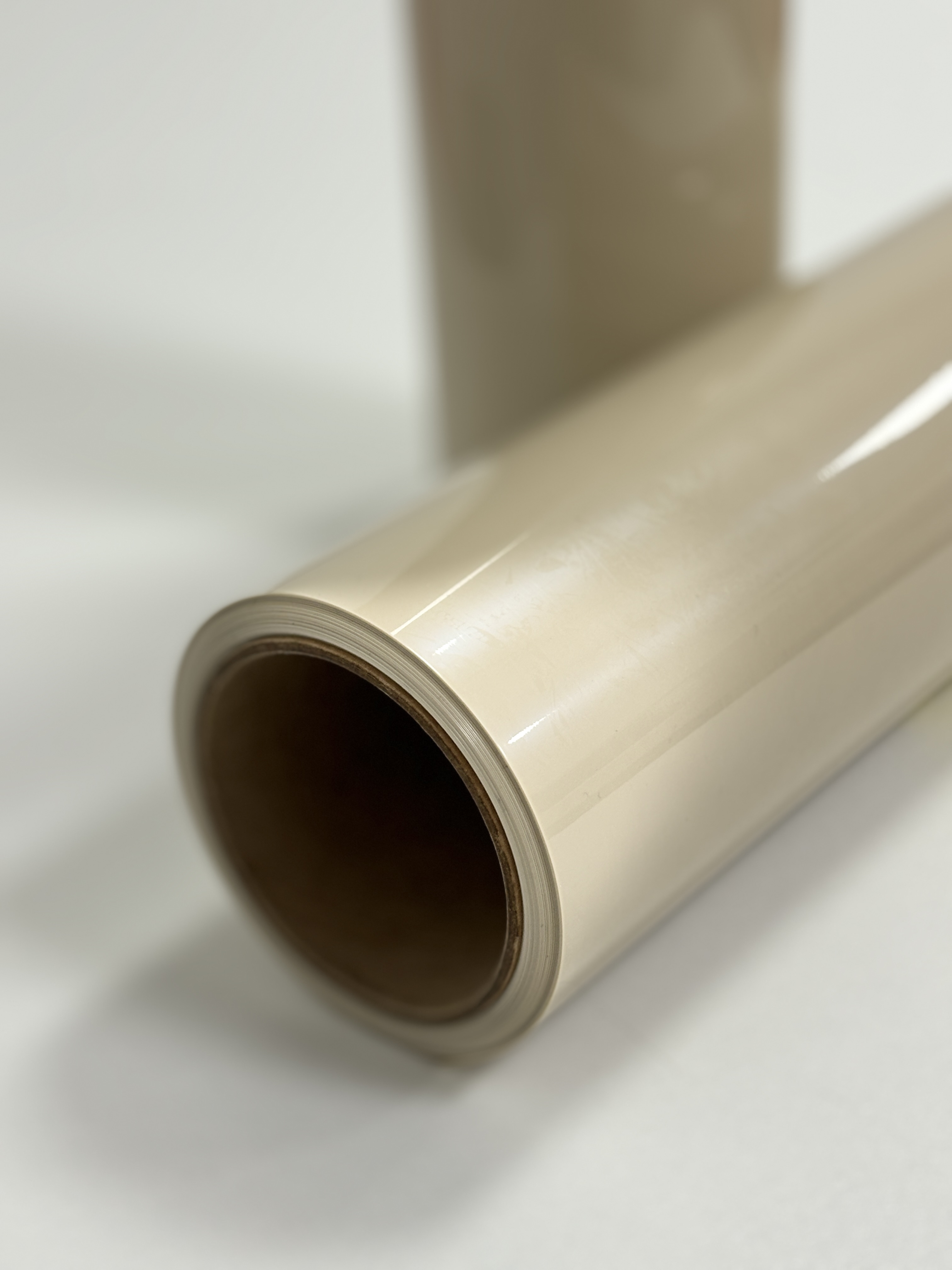
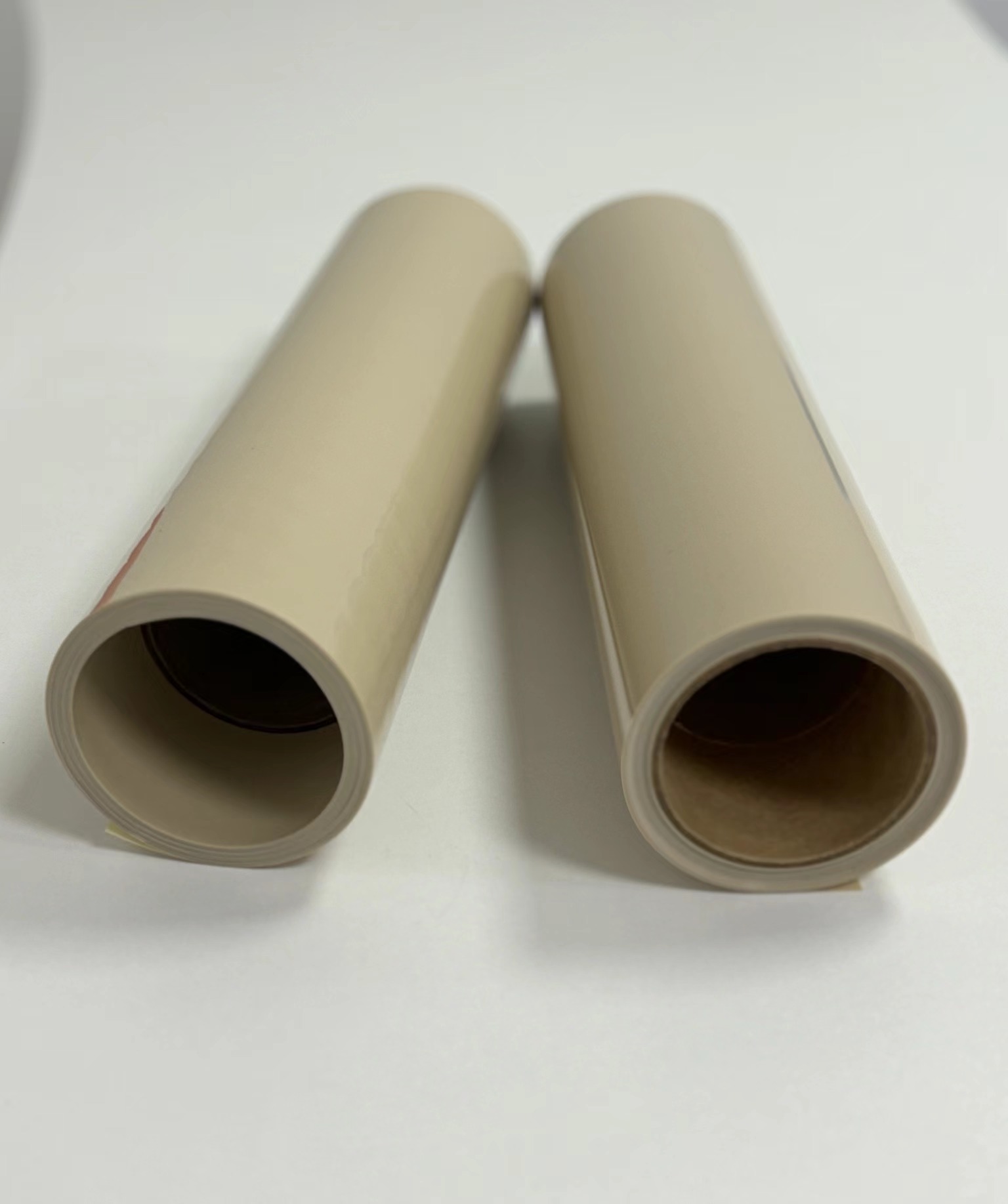
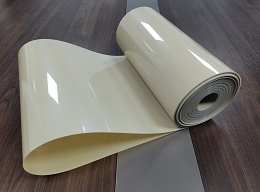
A film candidate should also be evaluated for the way it will be supplied and handled. Describe whether the process needs sheets or rolls, the usable width, required orientation and sample quantity. Review cutting or slitting requirements and how the material will be protected before forming. The best laboratory specimen may not represent the format needed for a repeatable manufacturing operation.
Before requesting a production quote, identify the inspection information needed for incoming release and the changes that would require a fresh assessment. Those may include film reference, surface treatment, thickness, forming tool or attachment method. Do not assume a general material brochure provides batch traceability. Ask what documentation is available for the proposed order and agree a proportionate record set.
A practical development sequence
- Define the acoustic or manufacturing problem and the comparison baseline.
- Select identifiable film candidates with supplier input.
- Confirm incoming dimensions and relevant surface information.
- Form a controlled set of components and record the process.
- Inspect and assemble specimens using a documented attachment route.
- Measure acoustic performance with an agreed method.
- Repeat selected observations after representative conditioning.
- Review variability, defects and supply practicality before the next decision.
Keep each stage connected by specimen identifiers. A small organised trial usually provides more useful evidence than a larger collection of unlabelled samples made under changing conditions. If a stage fails, identify the open question before expanding the programme or placing a production order.
Frequently asked questions
Does PEEK film automatically improve a speaker's sound?
No. Acoustic performance depends on the completed design and manufacturing process. Film selection is one input alongside geometry, attachment and other assembly components. Define the improvement being sought and compare controlled specimens using the project's acoustic measurement method before making a performance claim.
Is a sample diaphragm enough to select a production film?
A sample can help demonstrate a possible geometry or material presentation. It does not establish production consistency, assembly compatibility or a validated acoustic result for a different design. Request identifiable film material and plan a trial that represents the intended forming and assembly process.
What should an acoustic film enquiry include?
Send the component drawing or reference geometry, film dimensions, supplied format, forming route, attachment method and the performance question being investigated. Include the planned sample quantity and any conditioning requirements. State which values are provisional so that the supplier can assess the development request appropriately.
Start with a traceable material discussion
Explore Furui PEEK film and the industry applications page, then send your project requirements. For roll-format preparation, use the custom slitting checklist. Furui can discuss available film formats and supporting production and inspection information; final acoustic suitability must be established for the particular component and assembly.