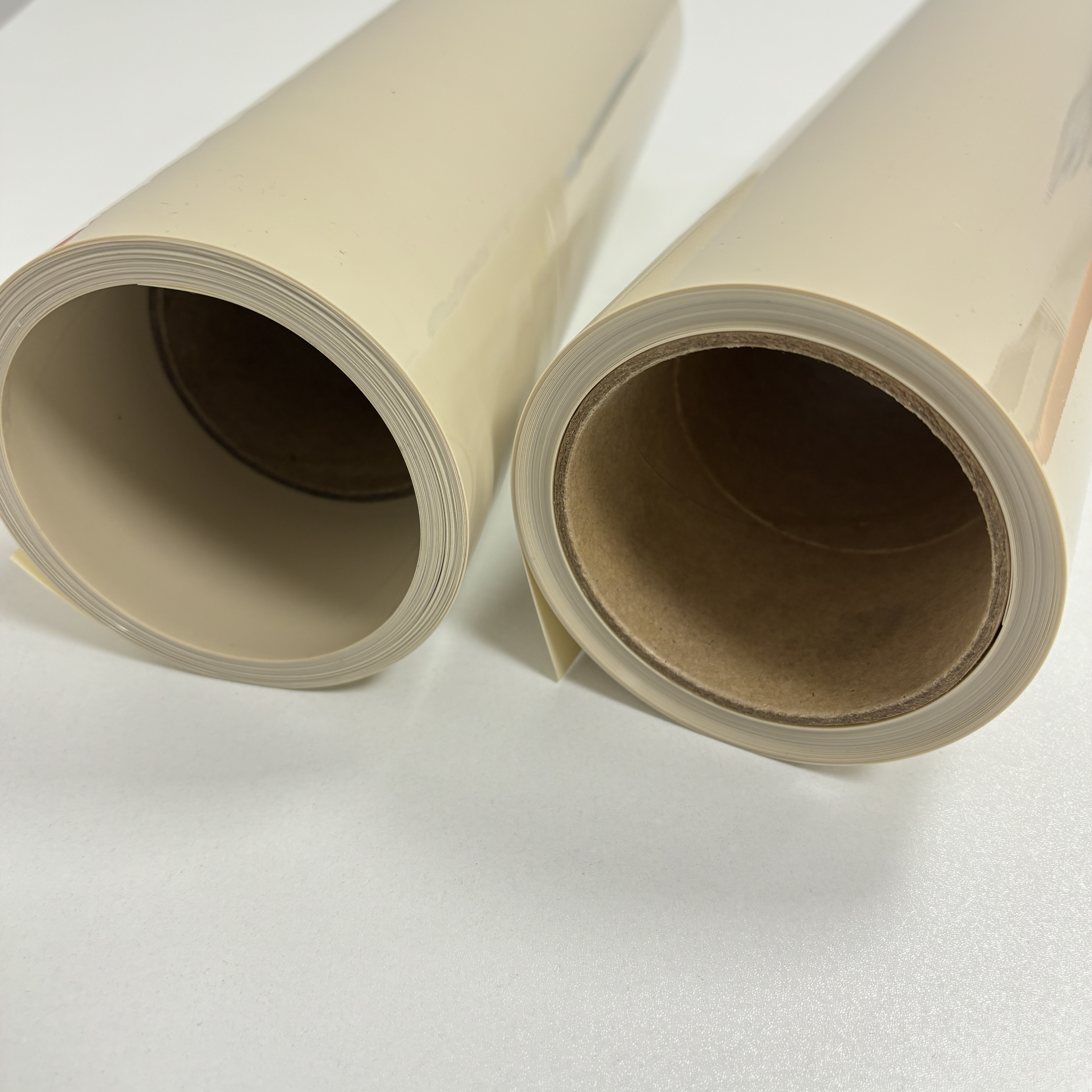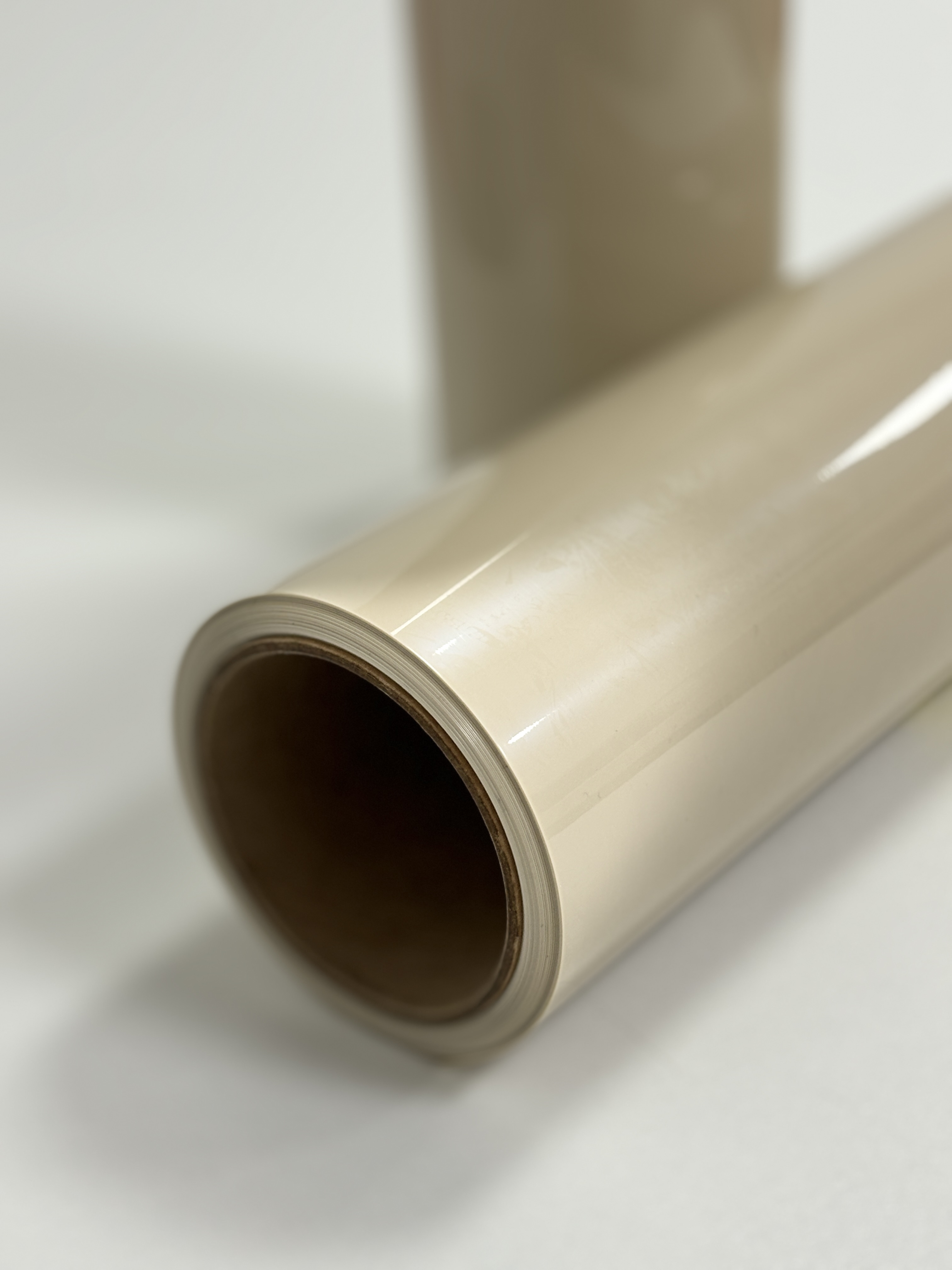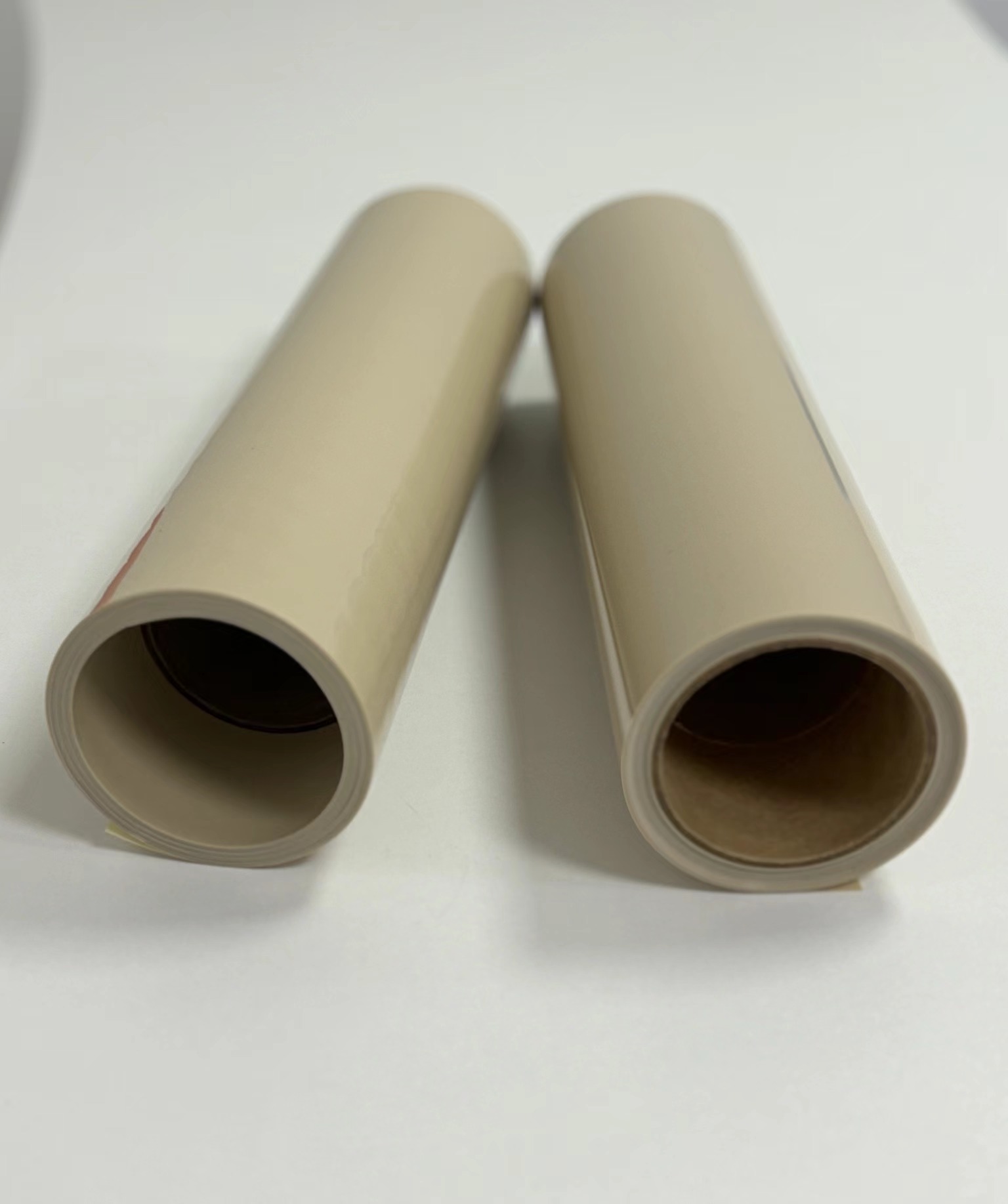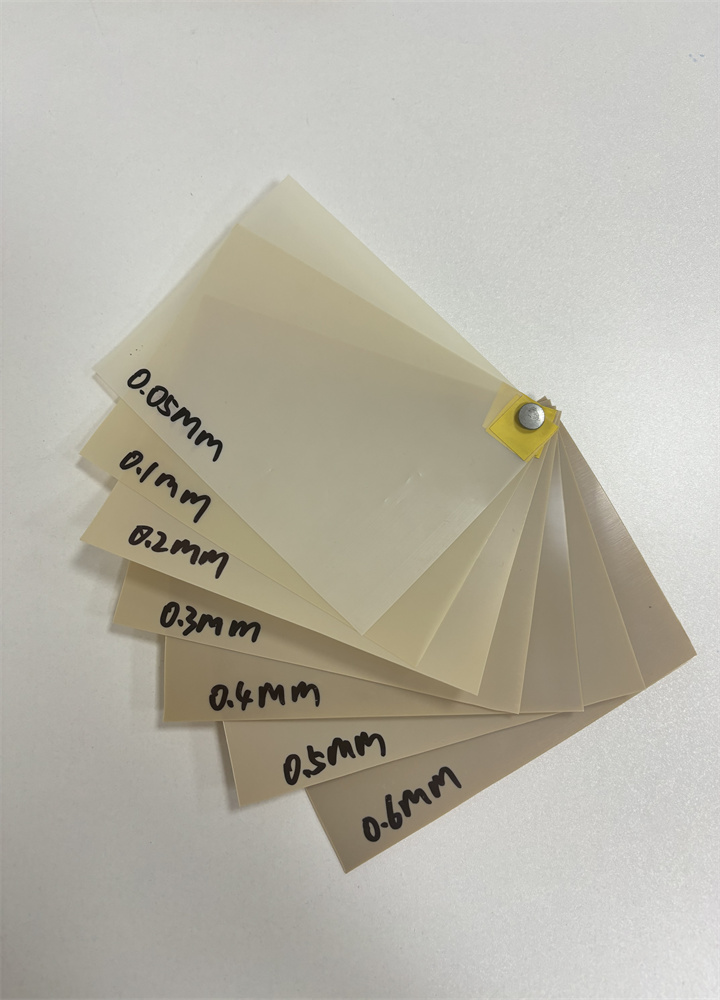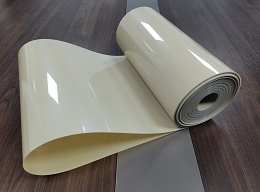
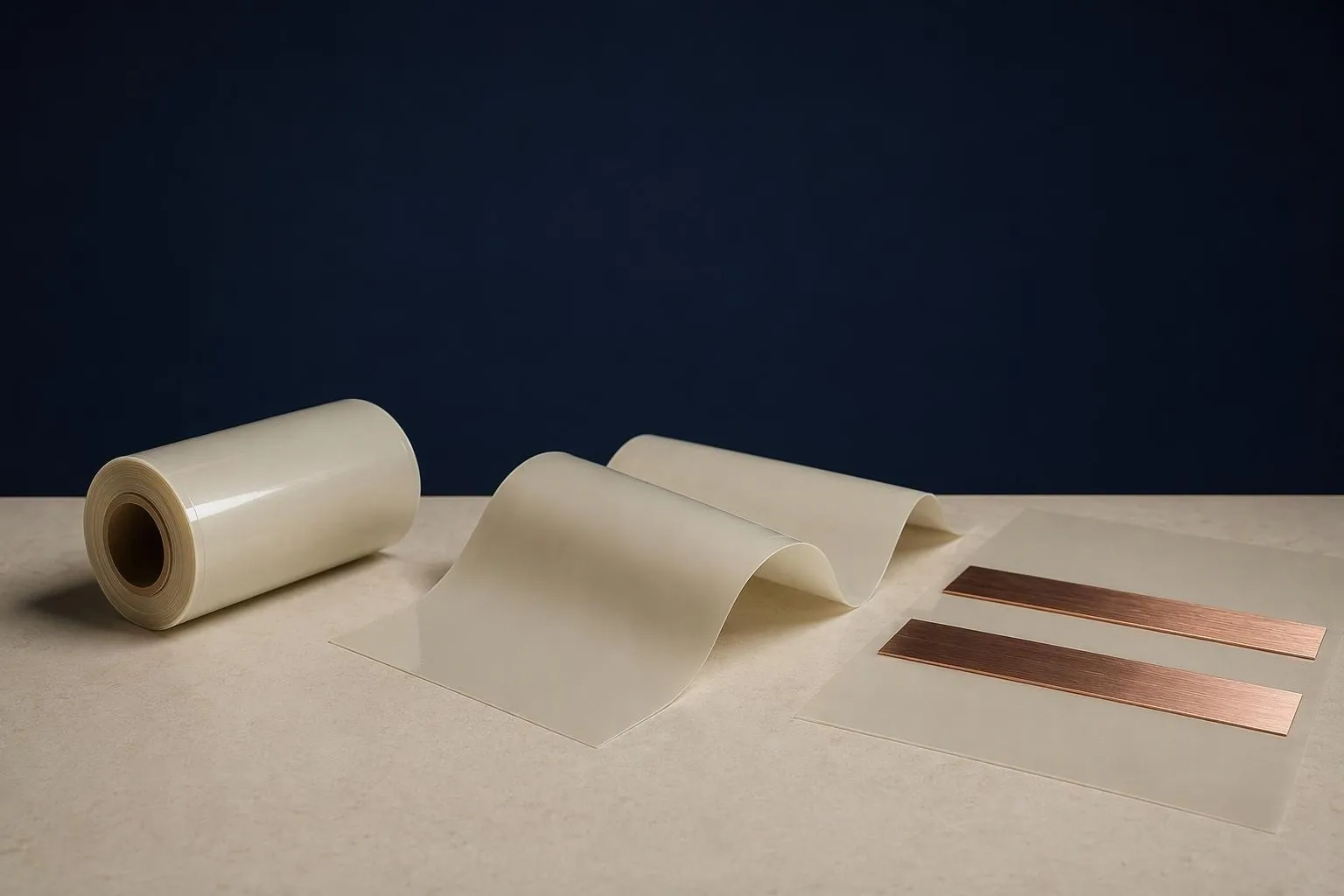
PEEK FILM · MATERIAL SELECTION
PEEK film is considered for electrical insulating layers, but selecting it requires more than a high dielectric-strength number. The useful question is whether a specific film, processed into a specific assembly, meets the intended electrical and mechanical requirements. This guide helps turn that question into a supplier enquiry and a meaningful evaluation.
Describe the insulation function before the material
Start with a drawing or stack-up showing where the film sits, what it separates, and how it is held in place. Identify edges, folds, overlaps, bonds and contact points. Record the required voltage conditions, temperature exposure, environment and expected manufacturing sequence. Where requirements are still being developed, mark them as provisional rather than copying a value from a general brochure.
Decide which requirement is evaluated on incoming film and which belongs to the finished assembly. A flat film coupon and a bent, bonded or mechanically constrained component are different test objects. Connect each acceptance criterion to the object and stage it actually describes.
Read electrical data together with its test conditions
Victrex's APTIV film technical brochure explains that electrical behavior varies with film thickness, temperature and voltage frequency, and recommends application-specific evaluation. The brochure describes Victrex materials; its numerical values are not Furui product guarantees.
| Information to request | Why it belongs in the comparison |
|---|---|
| Exact film identity and supplied condition | A resin name alone does not identify the supplied film |
| Thickness and tolerance | Compare the actual insulating layer, including its variation |
| Test method and specimen conditioning | Results require a common basis before they can be compared |
| Electrode arrangement and voltage conditions | Understand what the reported test actually measured |
| Temperature, humidity and frequency where relevant | Connect the available evidence to the intended environment |
If a datasheet reports dielectric strength in voltage per unit thickness, do not turn it into an operating-voltage promise by multiplying by nominal thickness. The design and qualification decision must use the applicable assembly requirements and agreed test plan. If the evidence does not match the use case, record the gap and define the next evaluation.
Check thermal history and mechanical conversion
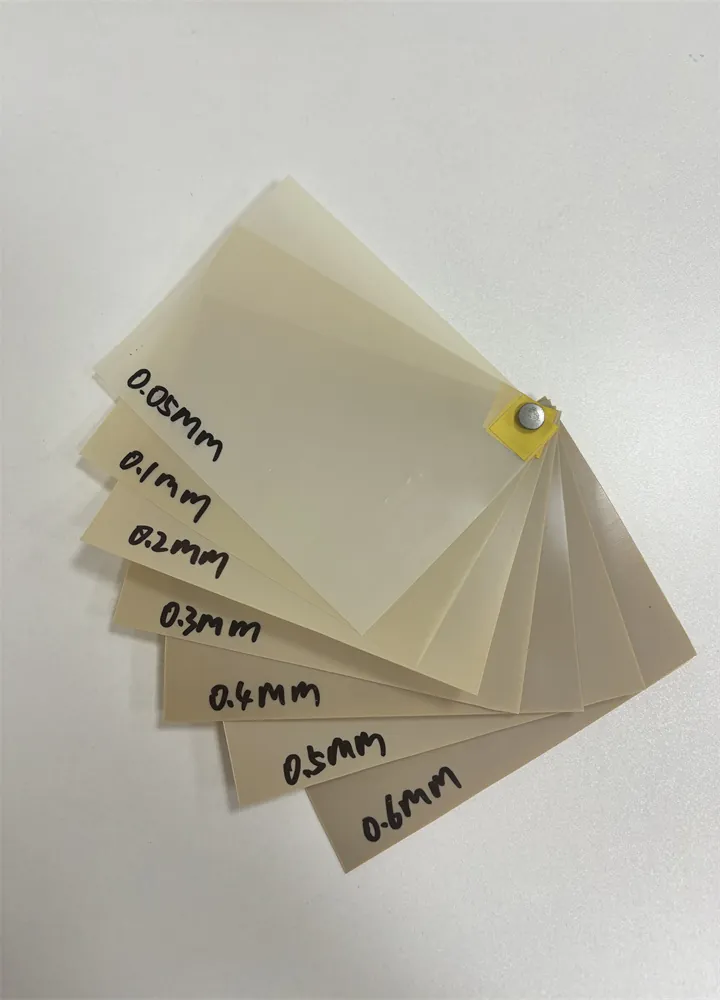
Record whether the film will be slit, punched, folded, formed, laminated or bonded. Note any heating and cooling step and which surface contacts another material. Ask how the supplied film condition should be identified and what information is available for your proposed process.
The Victrex datasheet library lists separate film families and grades. It illustrates why procurement should identify the particular film being assessed rather than treating all PEEK products as interchangeable. Confirm the relevant condition and supporting information directly for the Furui film under review.
After conversion, inspect the features that can change the insulating layer: cut edges, creases, local thinning, damage and placement in the assembly. A visually attractive sample is useful, but it does not replace the electrical evaluation specified by the responsible design team.
Use a staged evaluation plan
- Incoming film: establish identity, dimensions, surface condition and sample traceability.
- Converted coupon: apply the intended cutting, folding or bonding sequence and document it.
- Representative assembly: evaluate the insulation function with the real geometry and adjacent materials.
- After relevant exposure: repeat the agreed checks following the thermal or environmental conditioning required by the application.
Keep sample IDs, process settings and observations linked. Change one variable at a time where practical; if the trial changes thickness, film condition and bonding method together, describe the result as a combined change. Retain unsuccessful samples so a later review does not depend only on the best-looking part.
Prepare a supplier brief that can be answered
- Application, drawing revision and the function of the insulating layer.
- Required thickness, tolerance, width, quantity and roll or sheet format.
- Voltage and environmental requirements defined by the design team.
- Converting, bonding and heating steps in their intended order.
- Requested material, inspection and test information.
- Sample quantity, evaluation method and next decision after the trial.
Furui can discuss its manufactured PEEK film and available production and inspection information. Use the film structure selection guide and handling checklist to keep sample condition and processing history clear.
Questions buyers often ask
Is dielectric strength the same as an operating voltage?
No. A dielectric-strength result describes a specimen tested under stated conditions. The operating requirement belongs to the application and assembly design. Confirm the applicable evaluation with the responsible engineering team, including geometry, exposure and manufacturing effects, before accepting the film for its intended insulating function.
Can I use a general PEEK resin datasheet?
It can provide background on the polymer, but it does not identify the particular film or establish its delivered thickness, surface condition or electrical performance. Request information for the actual film and record any remaining evidence gaps in the sample evaluation plan.
Does selecting PEEK automatically approve an assembly?
No. Material selection and assembly qualification are separate decisions. The finished component includes processing, geometry and adjacent materials that are not represented by a generic film description. Use representative samples and the application's agreed acceptance method before treating suitability as confirmed.